


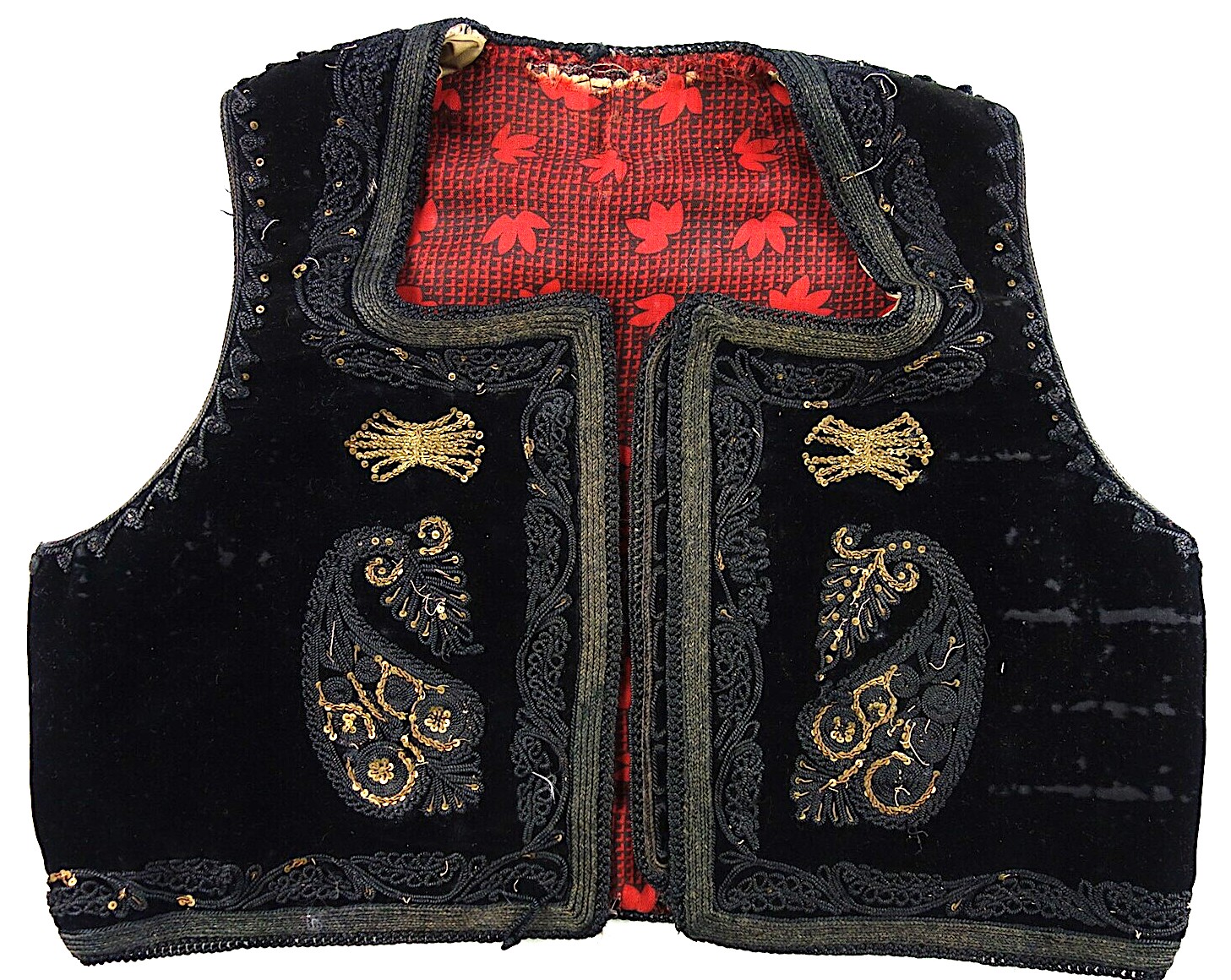
 Fig. 1. Serbian woman's waistcoat from the late 19th or early 20th century (TRC 2010.0065).At the end of March, I wrote a blog about a collection of garments from former Yugoslavia, donated by Annelies van Eijk-Kuiper and collected by her sister Jet Kuiper in the 1970s. In that blog, I explained my initial findings trying to determine the provenance of the items.
Cultural institutions, such as the TRC, often face the expectation to be experts in everything we own. One of our strengths, however, is the diversity of our collection, and Dr. Vogelsang-Eastwood has taught us that the term "expert" implies that we know everything about a topic, which is of course as unrealistic as it sounds. We certainly don't know everything, far from it!
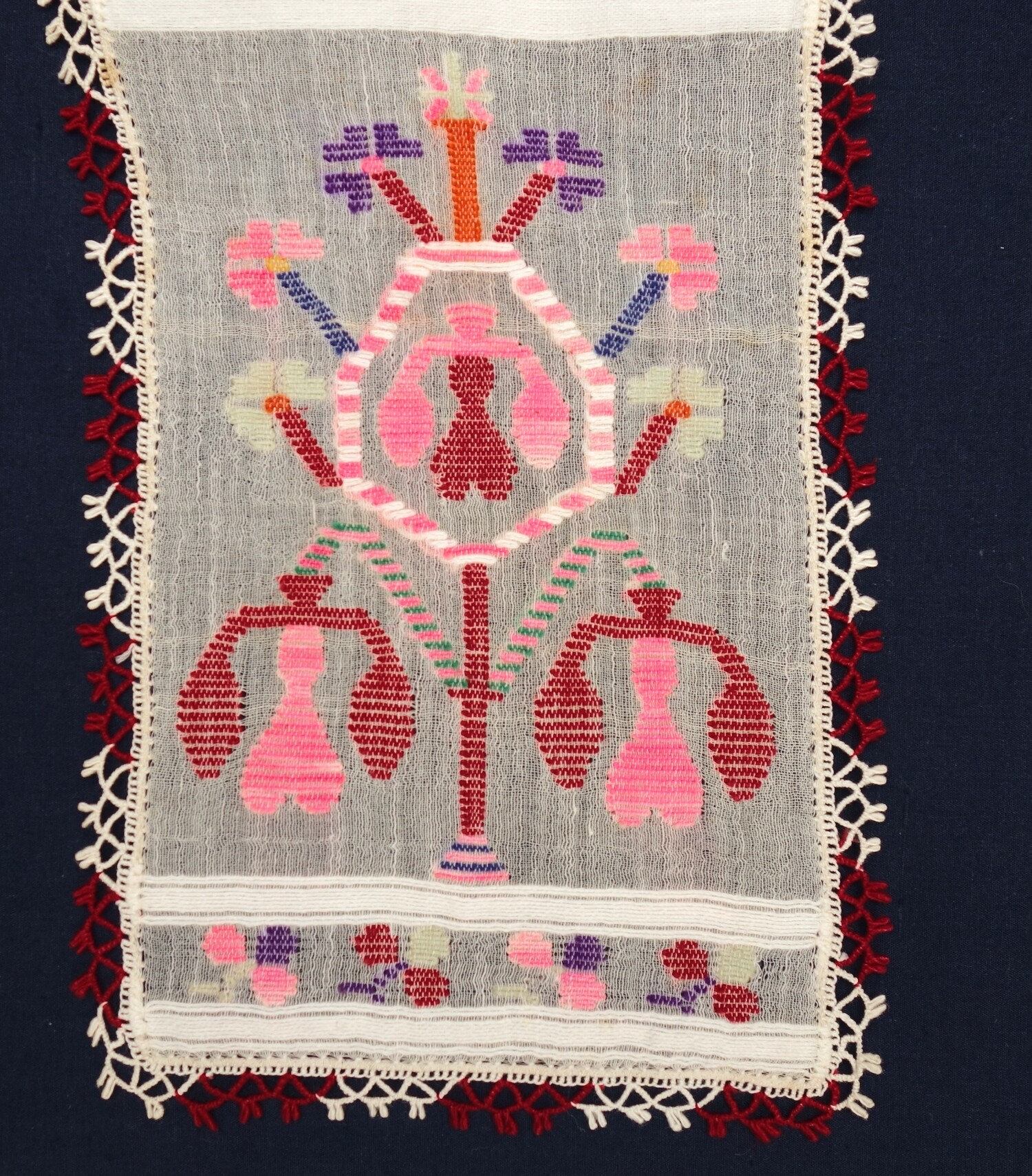 Fig. 2. Hand woven sash from Kosovo, late 19th - early 20th century (TRC 2025.0230).This is why we prefer the term specialist, and why at the end of the initial blog, I made an open call to other specialists to rectify potential errors in our database and help us identify some other items in collection. Faced with the 50,000 pieces we have at the TRC, all outside assistance is welcome!
The blog post about Yugoslavian embroidery drew the attention of Jelena Sekulović, Museum Advisor of the Ethnographic Museum of Belgrade, and Kostadin Balkanski, a passionate specialist and collector of Macedonian folk costume and embroidery.
With their help, we could identify more precisely pieces we recently received, but also pieces we had archived 15 years ago, like this Serbian waistcoat (Fig. 1; TRC 2010.0065), called a Jelek, from the late 19th or early 20th century.
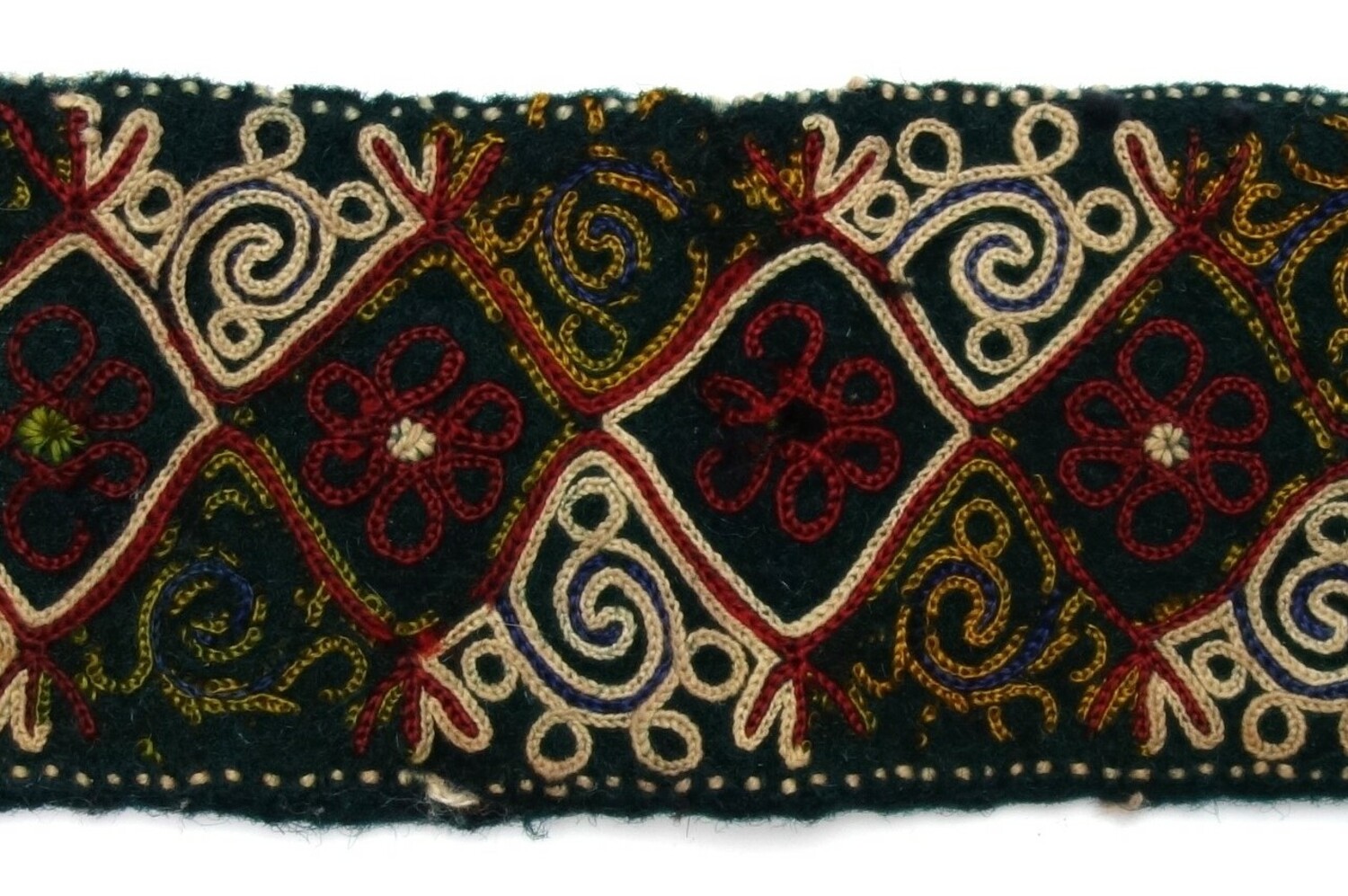 Fig. 3. Detail of an embroidered sample used to decorate a woman's coat from Croatia, late 19th - early 20th century (TRC 2025.0208).
A total of 42 pieces were more precisely identified by the two specialists, included some that were mistaken for something from closeby regions.
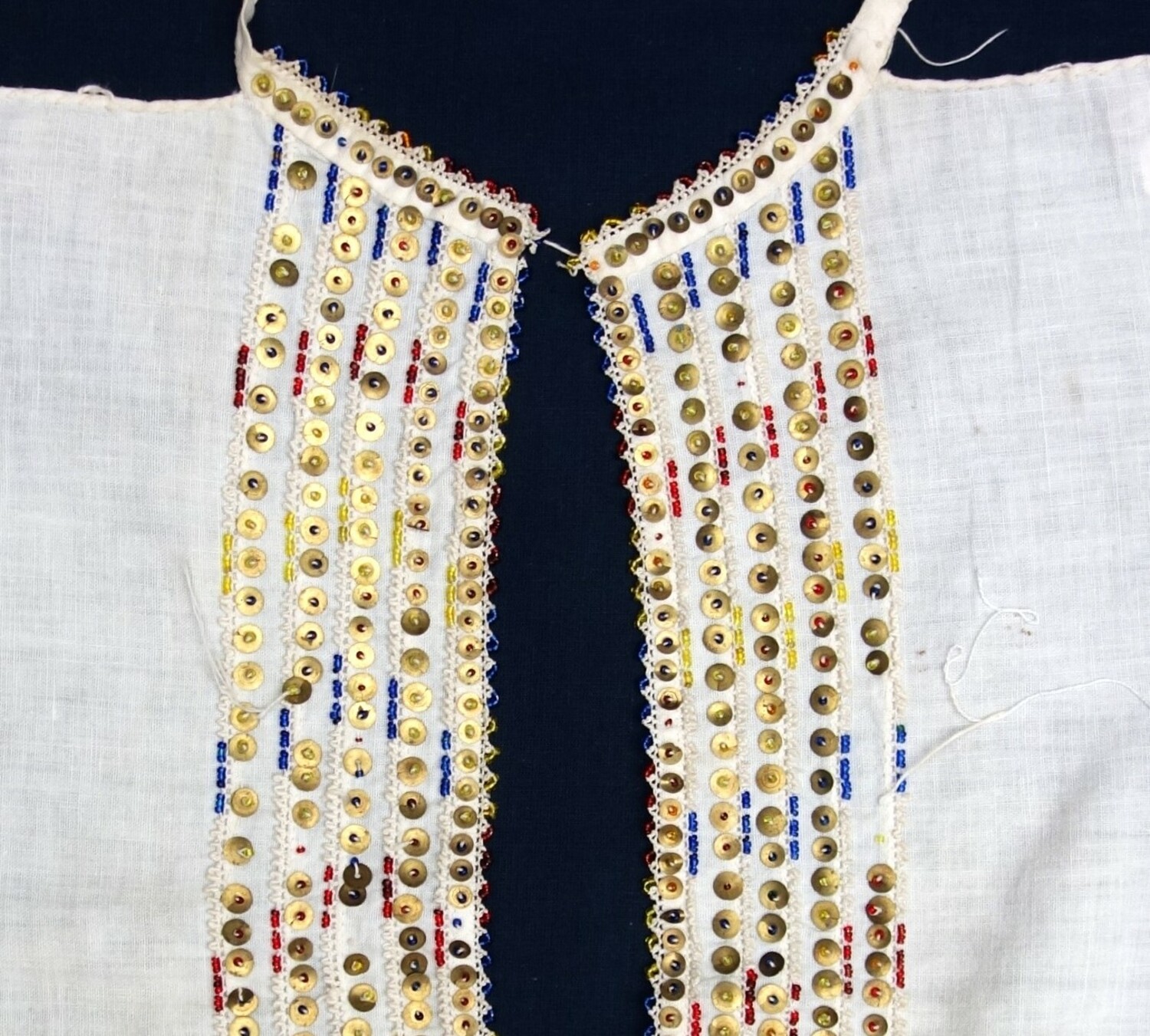 Fig. 4. Detail of an embroidered woman's plastron from North Macedonia, 20th century (TRC 2025.0225).Jelena Sekulović, for example, was able to tell us that an embroidered sash in the collection (Fig. 2. TRC 2025.0230) is a sash and comes from Kosovo.
She also recognised an embroidered band (Fig. 3; TRC 2025.0208) as usually being used to decorate a woman’s coat, and gave us the example of a finished coat found online TRC 2025.0225
Another example: I had mistakenly associated this plastron (Fig. 4; TRC 2025.0214) with Greek garments from Florina, but M. Balkanski helped in identifying it as a klasenik from among the Mijak population of the Krusevo region, North Macedonia.
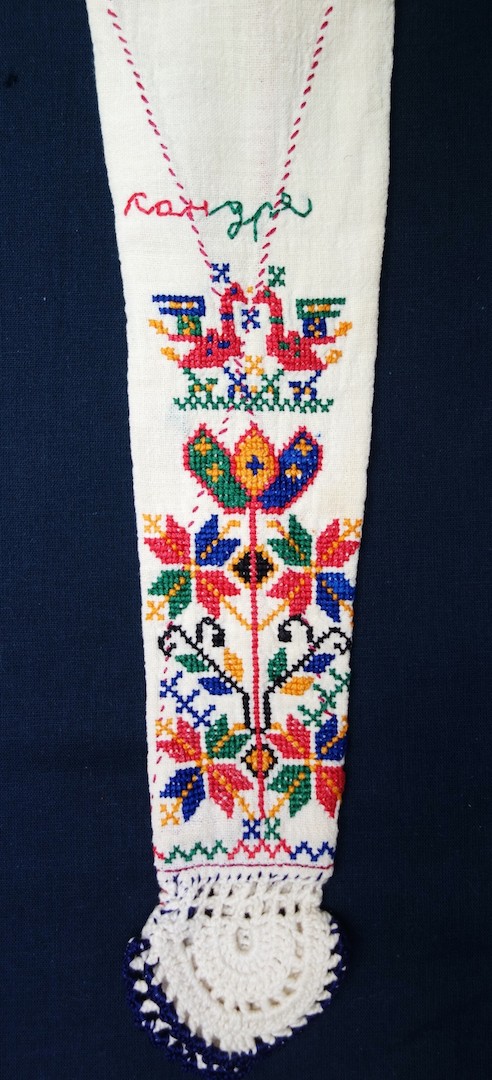 Fig.5. Detail of an embroidered woman's cap from Strusko Pole, North Macedonia, 20th century (TRC 2025.0226).M. Balkanski was also able to identify a sokaj (Fig. 5; TRC 2025.0226), a head covering from the Strusko Pole region, also in North Macedonia.
The two specialists, independently from each other, also identified these leg cuffs (Fig. 6; TRC 2025.0200a-b), called tozluci, worn by men around their ankles.
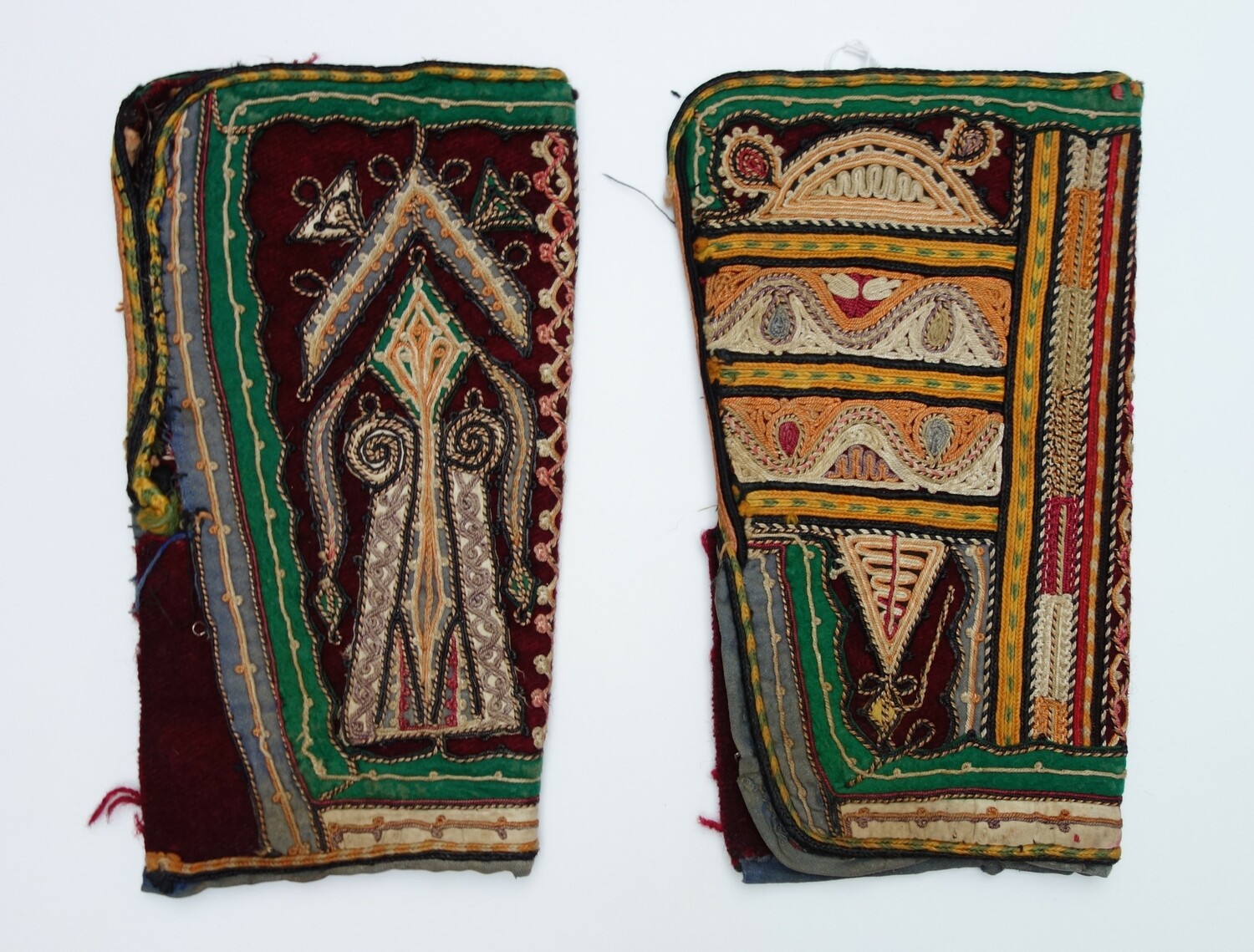 Fig. 6. Embroidered sleeve cuffs from North Macedonia, late 19th - early 20th century (TRC 2025.0200a-b).These cuffs come from Gorni Polog, North Macedonia. We had originally identified them as sleeve cuffs.
Still, some pieces from the collection remain unidentified, and as usual for our collection, we welcome the help of specialists to identify these pieces, as well as revealing the stories behind them!
Paul Cochet, 1 June 2025


