


by Emilie Lambert, TRC volunteer and archaeology student at Leiden University
Last February marked a year since I joined the TRC as an intern and a part-time volunteer. In that time, I had the opportunity to do a large number of personal projects and I came to fully appreciate the TRC as a place of learning. This piece is a short reflection on the variety of work I have been doing.
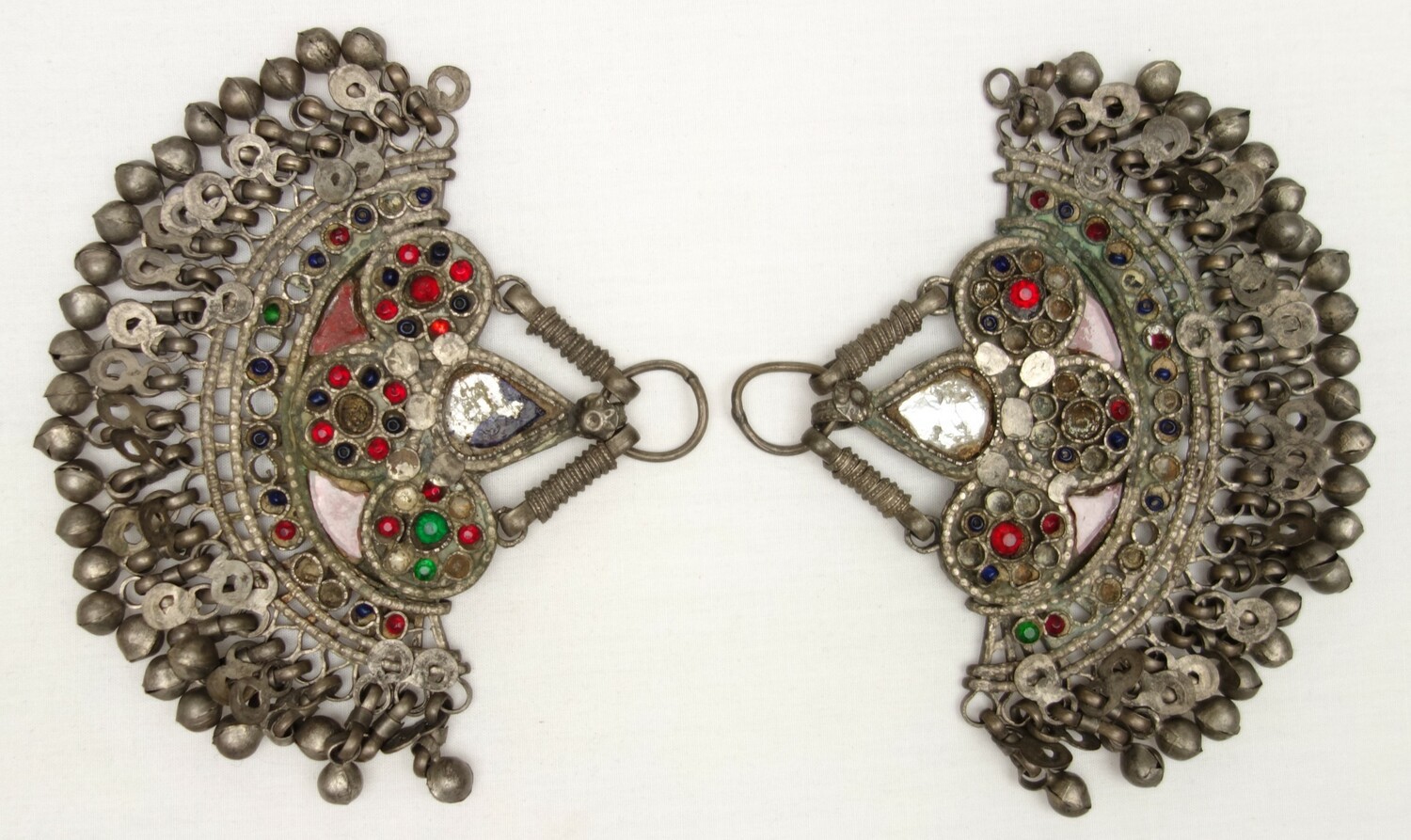 Fig. 1. A pair of temple pendants from Afghanistan (TRC 2024.0637a-b).
I started my time at the TRC with the famous Intensive Textile Course – a week-long deep dive into numerous aspects of textile studies. The balance between theoretical and practical teaching was great and opened my eyes to the range and meaning of textile studies. I also attended multiple other workshops, each one a friendly experience and I’ve learned a lot about various crafts.
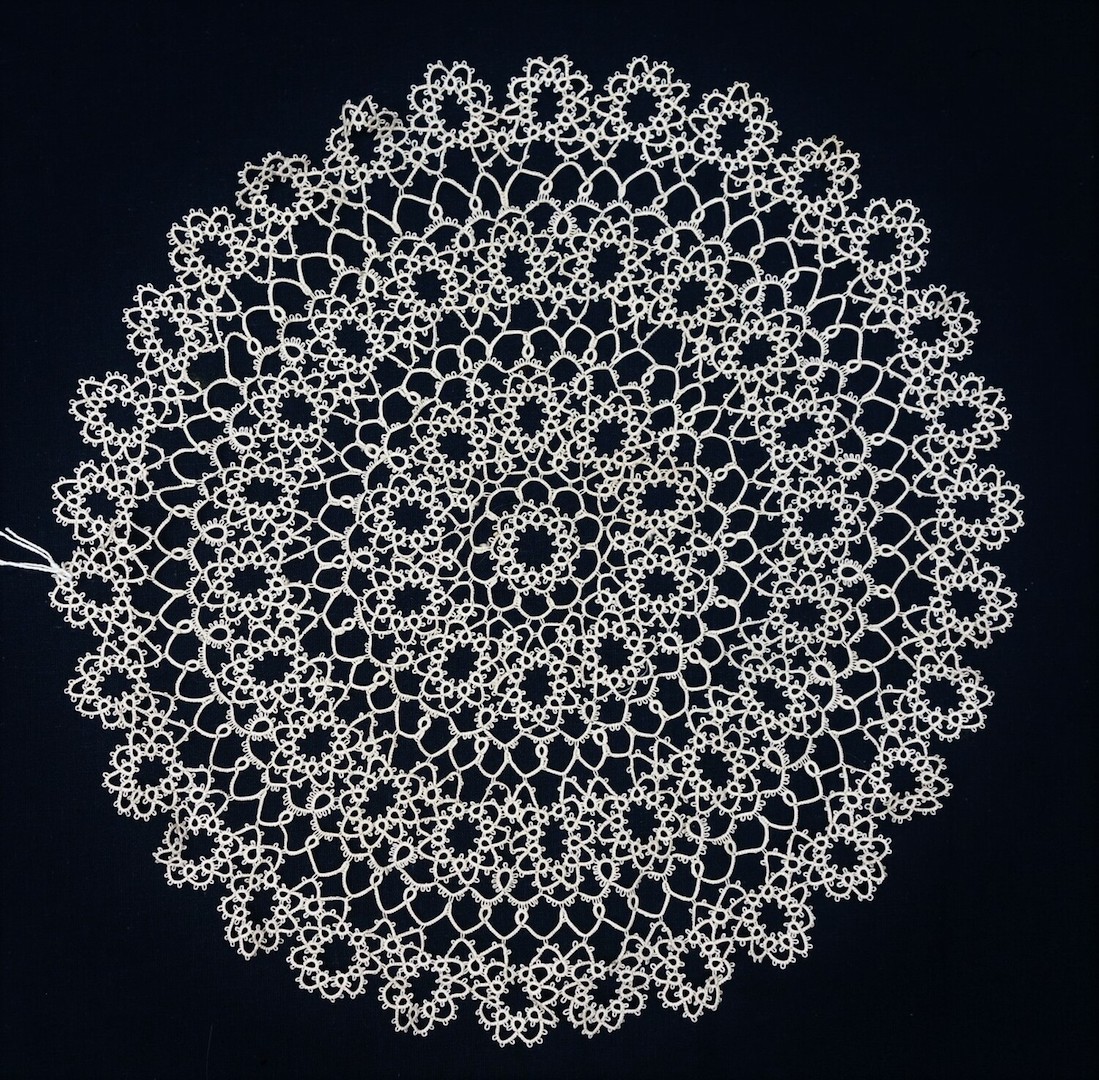 Fig. 2. An example of a tatted doily (TRC 2022.0269).
A project on which I spent much time is the Afghan jewellery collection from the Schinasi donations (Fig. 1). I learned the cataloguing process and improved my photography skills for smaller items. I wrote a blog on my findings which later, along with Gillian’s work, was adapted into a published article for British magazine Jewellery History Today!
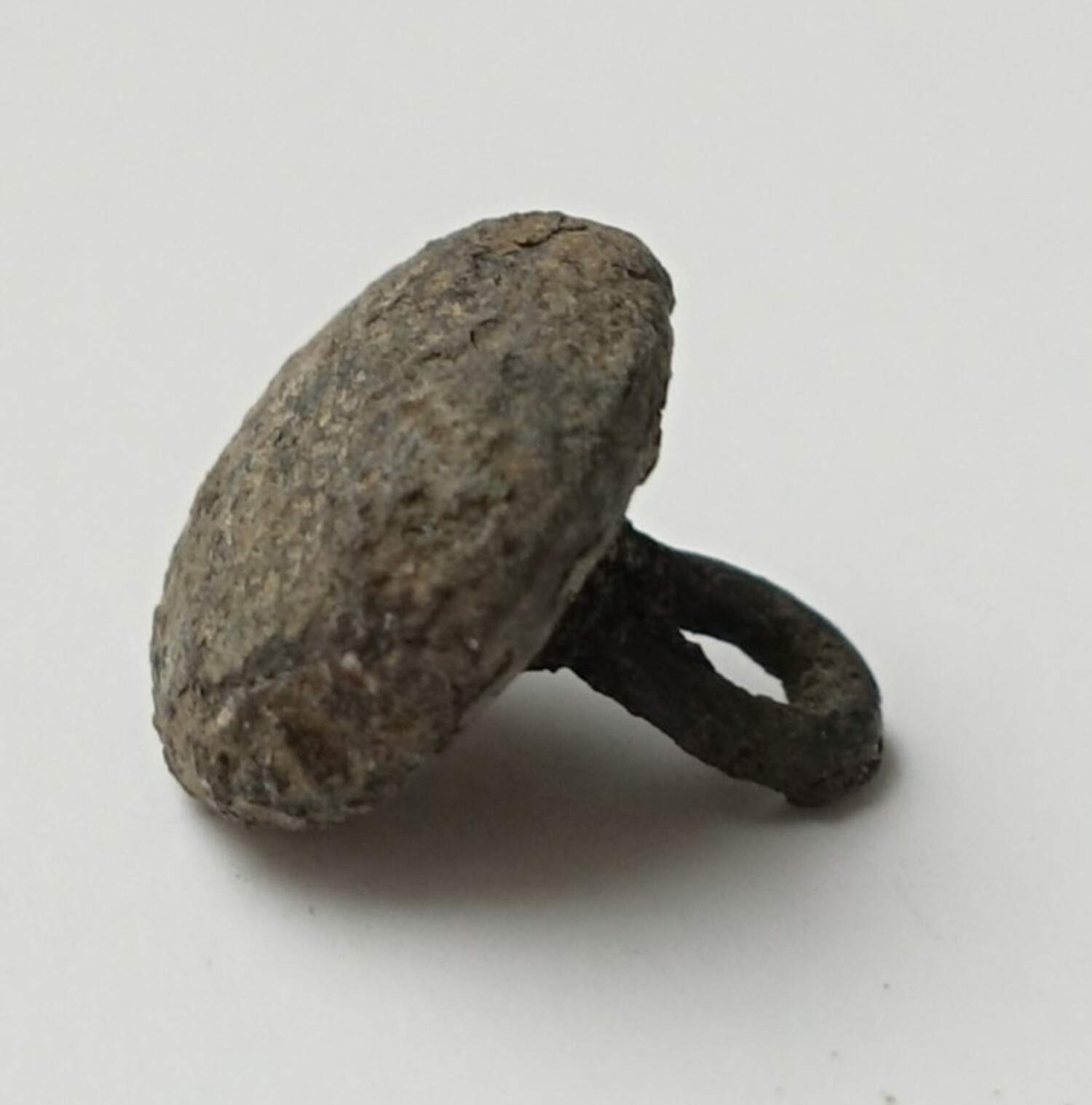 Fig. 3. A medieval button (TRC 2024.2621).The TRC also offers the chance to try curatorial projects. Along with another volunteer, Olivia Buchan (former Leiden University MA student), we made a mini exhibition on tatting – a lace/knotting technique (Fig. 2). I had just picked up tatting as a hobby myself and looking through the history and pattern books was inspiring.
Last May I was able to join a TRC-organised Erasmus trip with several other volunteers to Finland! The aim was to understand our Finish hosts' relationship to craft and handmade materials, and how such skills are normalised in school programmes and adult workshops.
Another personal project I am taking on is an analysis of medieval metal buttons (Fig. 3). These were out-of-context buttons from the Netherlands, and I have catalogued and photographed the collection. In an attempt to date them to a particular century, I’ve compared the styles with others at the TRC.
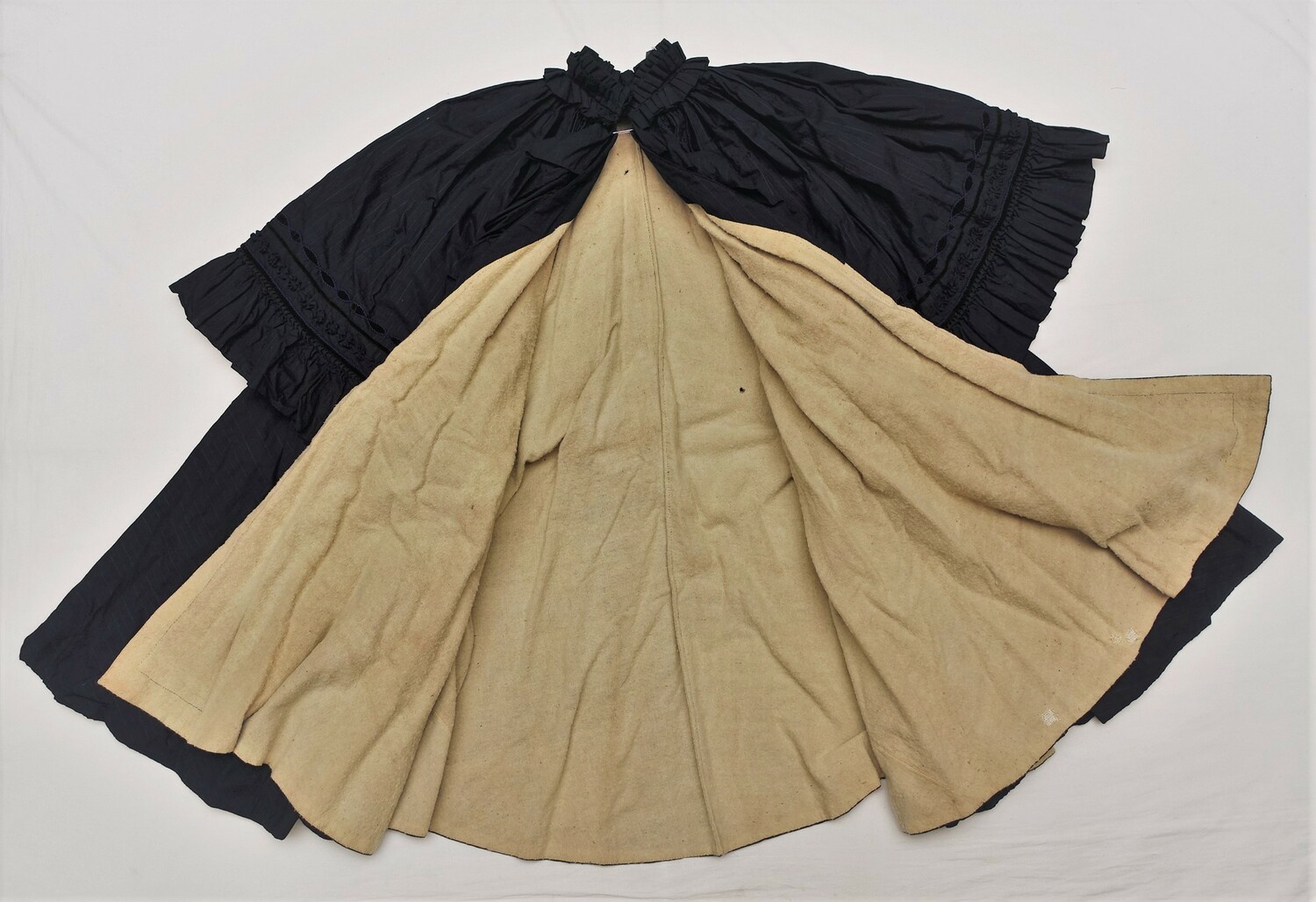 Fig. 4. A 20th century cape, likely from the Lindhorst region in Germany. (TRC 2016.0559).I am also conducting XRF analysis at the Archaeology Faculty to determine the mineral composition of a sample of buttons. I hope this will help date them more precisely, based on manufacturing methods. Read more in another TRC blog.
My current project at the TRC, alongside the buttons, is the sorting out the items of German regional dress in the TRC collection, making sure the information is up to date. This work includes rephotographing and reorganising the boxes and the database. I’ve come across some lovely pieces so far; dirndl dresses and capes (Fig. 4)!
A huge thank you to the TRC for all the opportunities to develop my skills and confidence. The TRC truly is a valuable place of learning.
1 March 2025


