


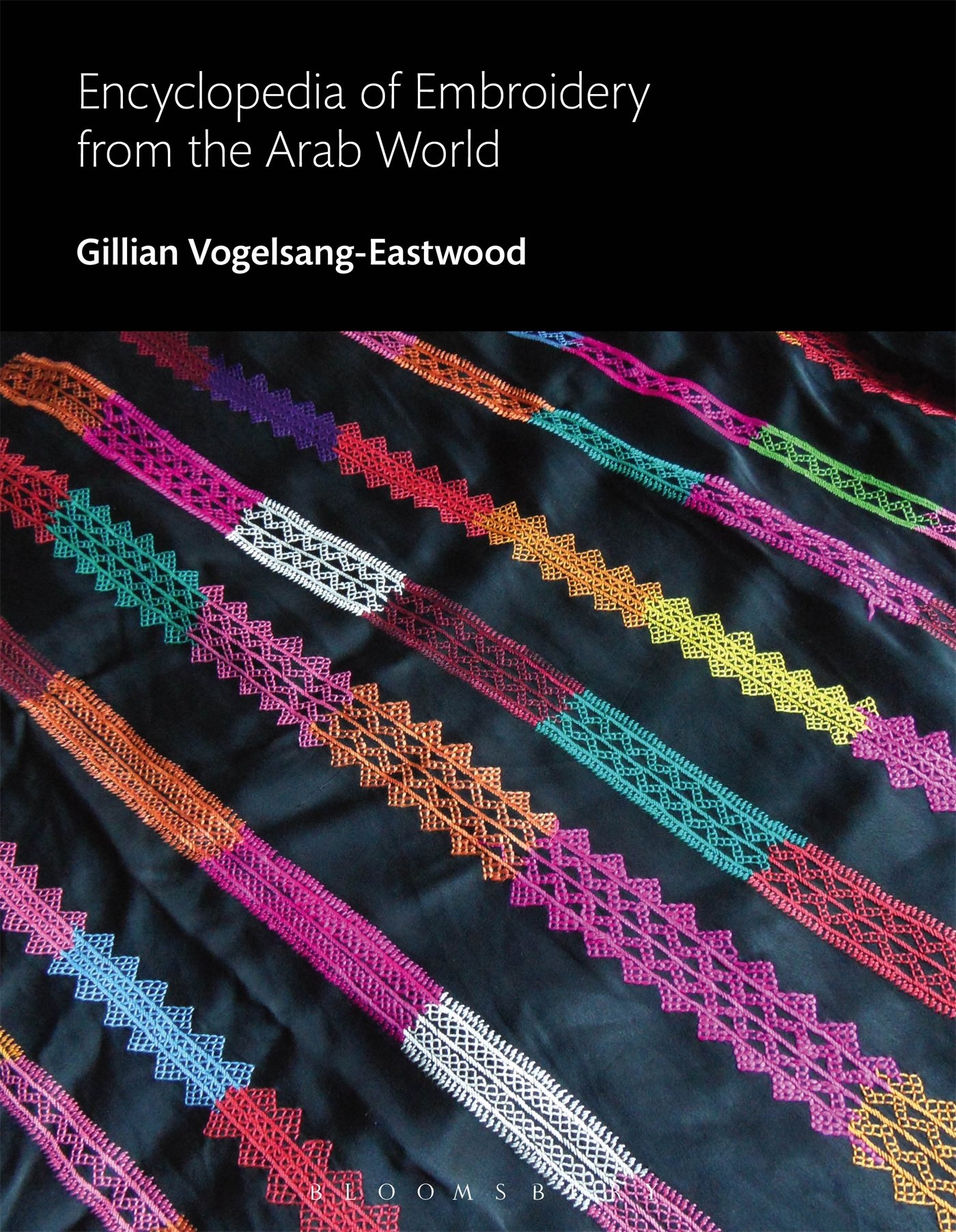
 Volume 1: Encyclopedia of Embroidery from the Arab World.I thought you might be interested in having an update on the Bloomsbury World Encyclopaedia of Embroidery series, which is based at the TRC Leiden and uses a growing number of examples from the TRC Collection for research and illustrative purposes. Outside support for the work involved in these volumes is increasing and coming from both official and ‘ordinary’ sources, making this a unique reference series.
Volume 1: Encyclopedia of Embroidery from the Arab World came out in 2016 and looks at embroidery from Morocco to the Arabian Peninsula and Iraq. This book won three international awards, including the prestigious Dartmouth Medal (2017), which is organised by the American Library Association. As pointed out by Widad Kawar (Amman), one of the Grand Dames of Palestinian and related textiles and garments, it is also the first Middle Eastern embroidery book to have a piece of Jordanian embroidery on its cover.
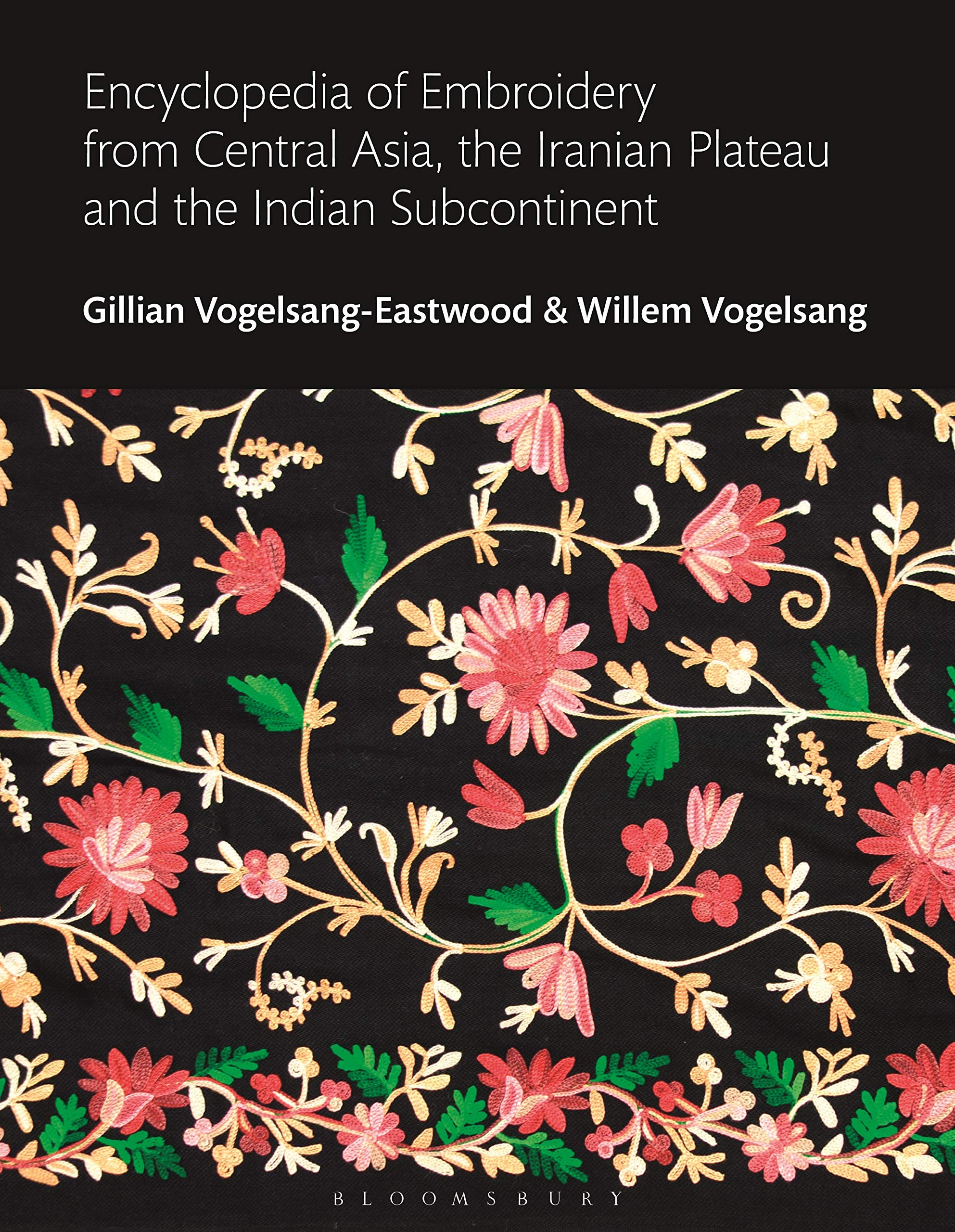 Volume 2: Encylopedia of Embroidery from Central Asia, the Iranian Plateau and the Indian Subcontinent.Volume 2: Encylopedia of Embroidery from Central Asia, the Iranian Plateau and the Indian Subcontinent came out in 2021. As noted in one review, it is the only embroidery book that links three major groups (and many sub-groups) of embroidery together. A complicated book to research and write given the wide variety of embroidery types from this vast area, but it was fun exploring cultural, economic and design links some of which go back thousands of years.
Volume 3: Encyclopedia of Embroidery from Sub-Saharan Africa will come out in the spring of 2023. It includes embroidery forms from West, Central and East Africa as well as southern African forms. Attention was focussed, for example, on the grand boubou and its many variations, raffia embroidery from the Congo, as well as historic Ethiopian forms of embroidery.
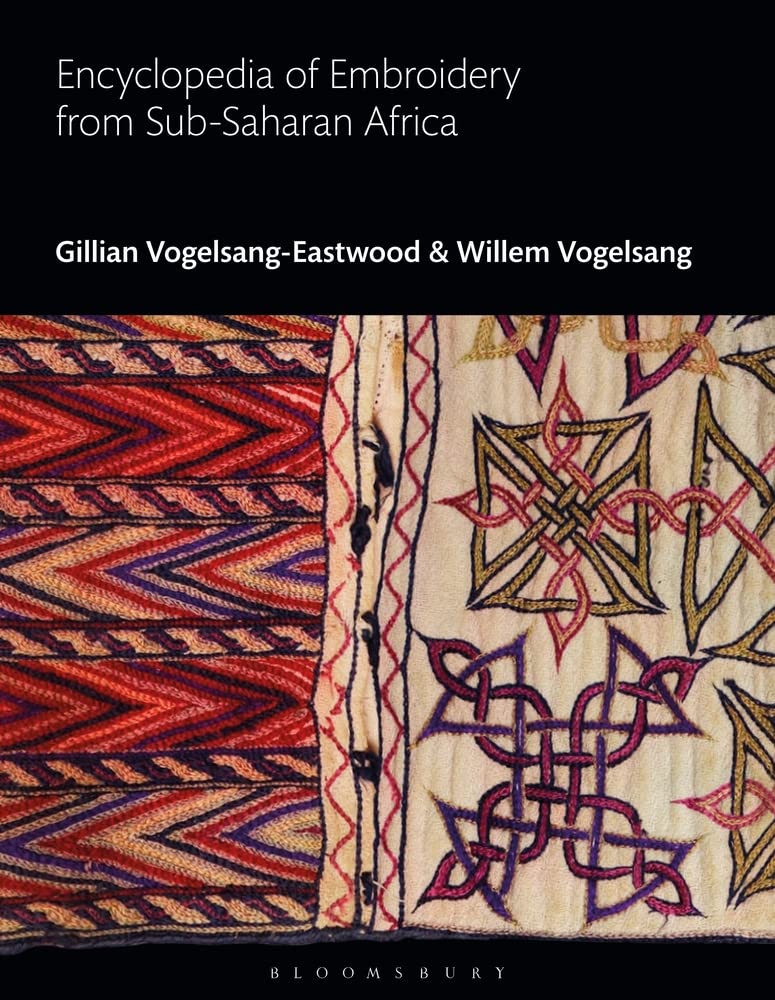 Volume 3. Encyclopedia of Embroidery from Sub-Saharan Africa.Particular help was been given by Don Johnson and Julie Hudson. Julie is the African curator at the British Museum, London. An especially word of thanks goes to the Museum for their help with respect to information and illustrations for the book
Volume 4: Encyclopedia of Embroidery from Scandinavia and Western Europe is nearly finished and will be sent to Bloomsbury in 2023. It includes a wide range of archaeological, historical and modern forms from Iceland to Sardinia. It is a large tome that presents some intriguing, inspiring and at times, thought provoking subjects.
We have also started work on volume 5 that is about Embroidery from Central and Eastern European, Russian and the Caucasus. Thanks to three significant donations in 2022 of embroideries and embroidered garments from this part of the world we are in a very good position to work on this volume. We are also in contact with various museums and specialists in Hungary, Romania and Estonia who have agreed to help with information.
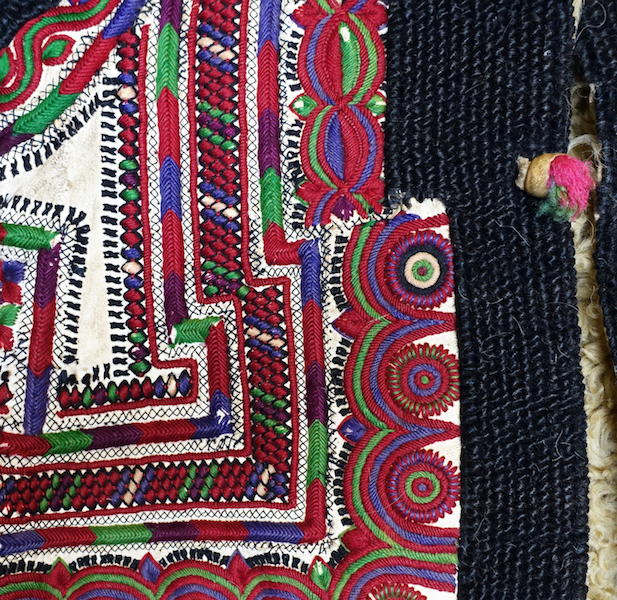 Detail from an embroidered waistcoat of Ukrainian/Romanian origin (mid-20th century, TRC 2022.0390).In addition a group of Romanian embroiderers living in the Netherlands are going to hold a series of embroidery workshops at the TRC in the spring of 2023. We have also been in contact with the Georgian Embassy in The Hague who have offered to help find funding in Georgia to support a trip to the country to talk with embroiderers and specialists and see embroidery in preparation and use.
In addition, thanks to the help of various people, especially Naoko Kikuchi (Japan) we have started work on the volume 6 that is about Embroidery from East Asia. She is working on Japanese embroidery history. We are also actively collecting examples of embroidery from this area of the world that includes a wide variety of different styles and techniques used for clothing and public display.
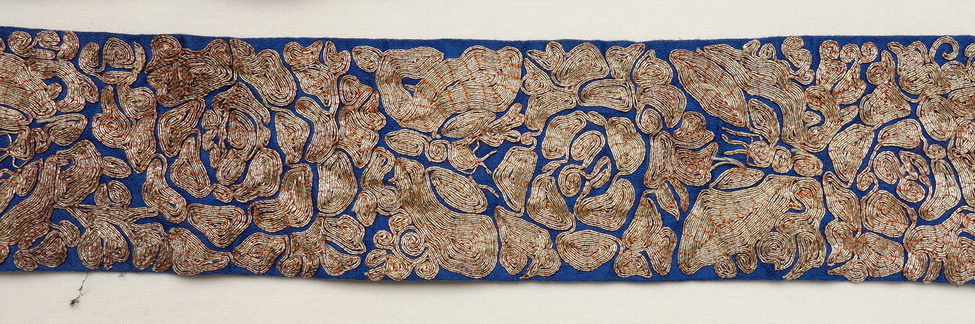 Detail of a Japanese metal thread embroidery (mid-20th century, TRC 2018.2534).
As a result of two recent donations of Indonesian textiles and Philippine textiles and garments we have also started work on Volume Seven, which is about Embroidery from Southeast Asia. We have already been in contact with the Philippine Embassy about this volume and the Ambassador, HE J. Eduardo Malaya, who has personally applied for a travel grant for us to go the Philippines to visit museums, talk with embroiderers and specialists there.
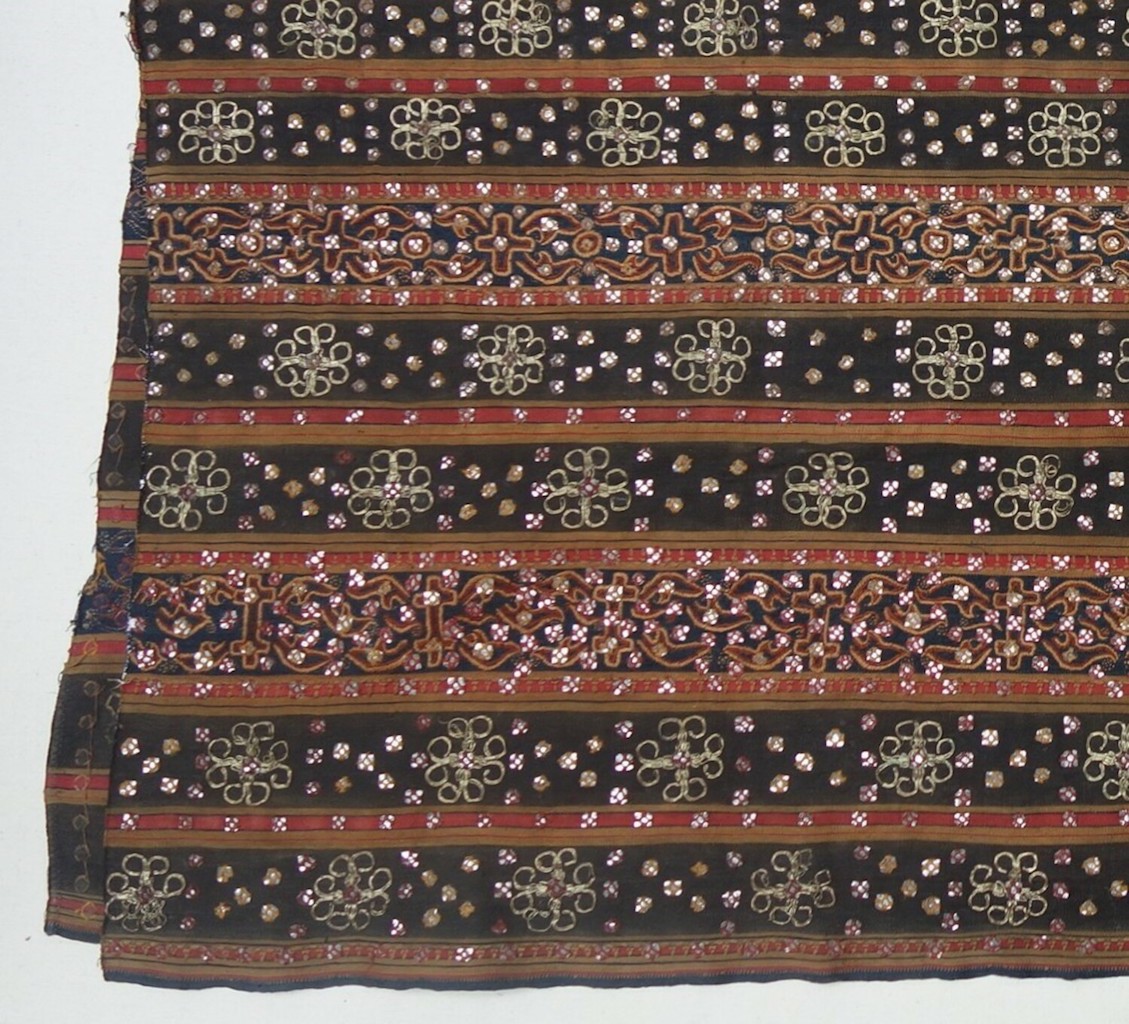 Detail of an Indonesian embroidery from the Lampung province, southern Sumatra (Indonesia, early 20th century, TRC 2020.2131).
And in the last few days we are finalizing the contract for the eighth volume, which will be about Embroidery from the Americas. This volume has been particularly helped by donations of Guatemalan and Mexican embroidery by Charles and Carolyn Knobler. In addition, we have recently been talking with some museum directors from Guatemala, Mexico and Peru, who have all agreed to help with this particular volume. More to come about this volume in due course.
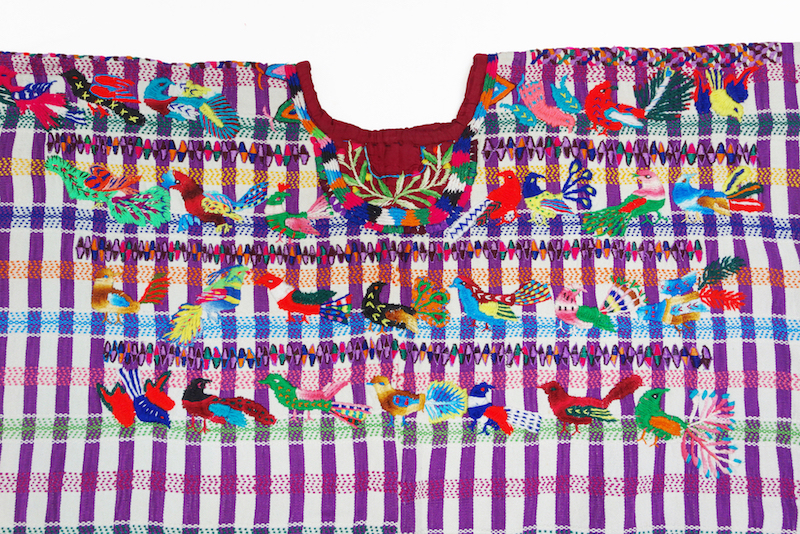 Detail of a woman’s huipil from Guatemala with embroidered birds (1960s, TRC 2021.1970).
Help needed!
These encyclopedias are regarded as a set of legacy volumes that can be read individually or as a series and that have the express intention of passing on knowledge about embroidery techniques, materials, forms and used for future generations. This has set a high bar for us to aim for! And thanks to the help of many people something rather special is being produced.
Needless-to say we need even more help to continue and build upon this inspiring work!
We are always looking for examples of traditional and modern embroidery that can be included in the embroidery series. All the pieces donated will become part of the TRC’s extensive and (eventually) comprehensive collection of regional embroidery.
But equally importantly we also need funding to help with research, the purchase of books, equipment and objects, as well as the costs involved in trips to various countries to see and talk about regional forms of embroidery. Publication costs are covered by Bloomsbury.
We are currently looking for €25,000 to continue our work for the encyclopedia, please help by making a donation: The TRC is an indepenent foundation (Stichting) that is exclusively run by volunteers. Please support us by transferring your donation to: NL39 INGB 0002 9823 59, in the name of: Stichting Textile Research Centre. BIC code is: INGBNL2A. Since the TRC is a recognised ANBI (Cultural Institution), your donation, if you pay taxes in the Netherlands, is tax deductible for up to 125%. Please add: Embroidery Encyclopedia.
You can also use the iDEAL button below and fill in the amount of support you want to donate:
Gillian Vogelsang-Eastwood, 29 October 2022


