


The last ten days have been very diverse and yet at the same time characteristic for the work and activities associated with the TRC Leiden.
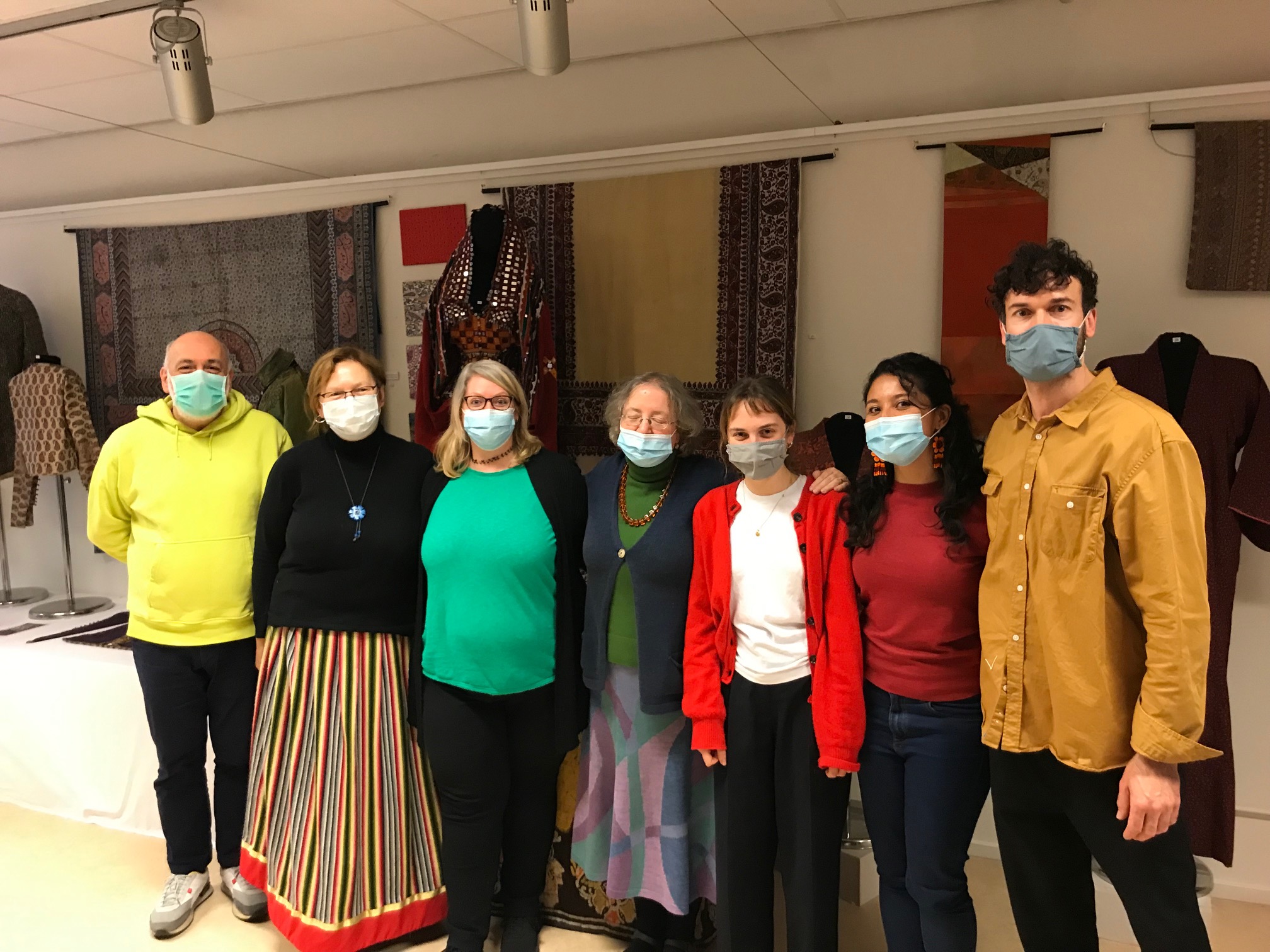 The participants of the November 2021 TRC Intensive Textile Course, at the end of the five days! The second woman from the left is wearing a hand-woven Estonian skirt.
On Wednesday (10th November) I took part in an online conference about Textile Tokens that was organised by Polly Leonard of the journal Selvedge (London). A variety of talks on very different subjects were given, including one by Prof. John Styles about textile tokens that came with babies and young children associated with the Foundling Hospital, London in the 18th century. Willem and I visited the former Hospital some years ago; a fascinating, and at the same time very sad place.
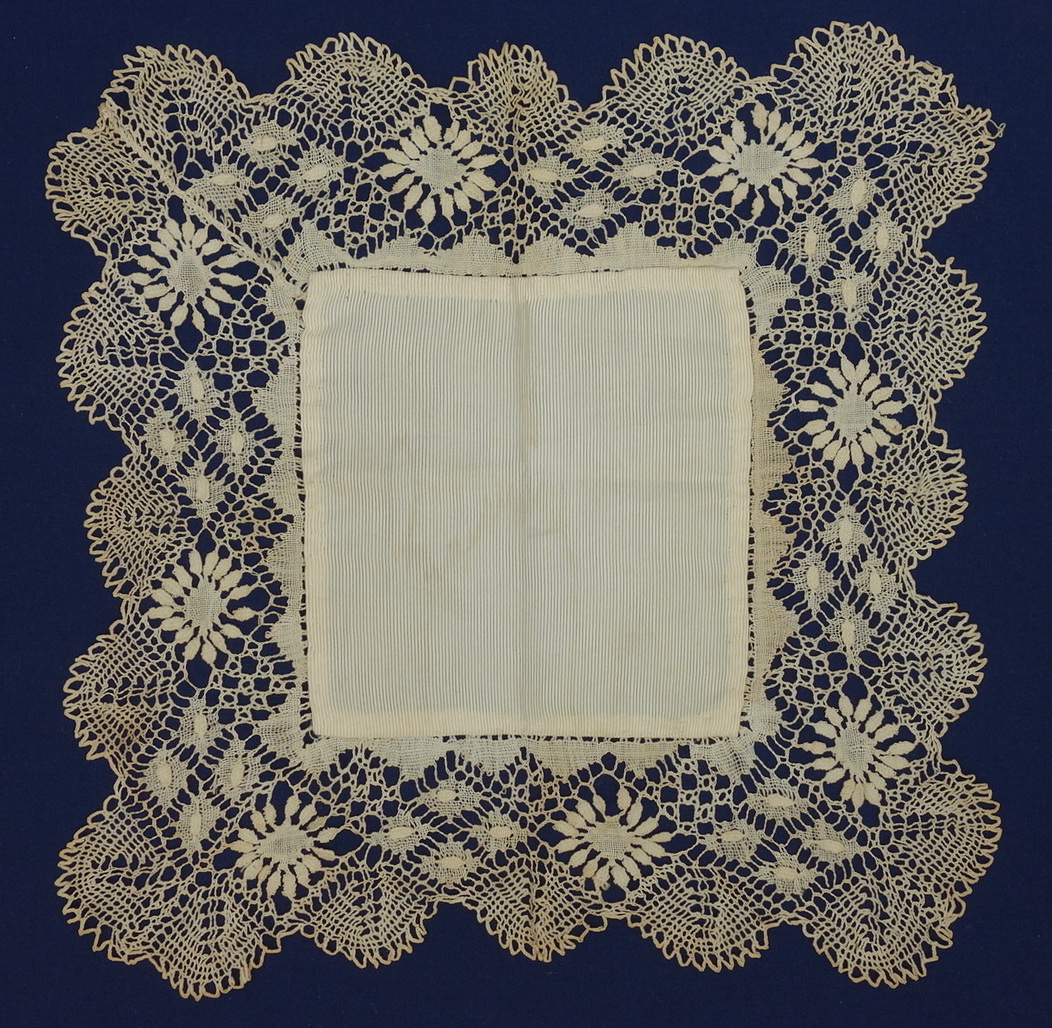 Late 19th century handkerchief with bobbin lace from the Netherlands (TRC 2007.0659).
My talk was on the European history of the handkerchief as a textile token (rather than a practical item), including how the specific way the handkerchiefs were folded, carried and given, could convey romantic, as well as political and economic meanings! Various examples of handkerchiefs described in the talk came from the TRC Collection.
On Sunday (14th November) I was one of the mediators for an international online event, called the Sustaining Legacies Symposium, which was organised by the Zay Initiative in Dubai. It was about the need for and future of dress collections in the Arab World. The main discussion included Richard Wilding from the Mansoojat Foundation (Saudi Arabia and London), Shahira Mehrez (Cairo), Dr. Reem El Mutwalli (founder of the the Zay Initiative, UAE) and Ben Evans (of the Hali journal in London).
Other panels discussed elite and luxury groups in the UAE and how preserving Arab textile traditions was and is of growing importance to them. One question in particular was heart-felt – was it too late to save this essential, but undervalued form of material culture in the Middle East? The answer was no, it is not too late, but...
As in many parts of the world, regional identity is being drowned by globalisation and cheap products (including Western-style mass-produced clothing made in China and other Asian countries), which means locally produced goods are getting rarer and in some cases so expensive that only a few can afford to wear what is now regarded as regional and/or national dress. This is a problem that is occurring in the Middle East and in many other parts of the world. A lot of work documenting and publishing (both in actual and online forms) needs to be done, and there needs to be a change in people's attitude. After all, what is wrong with wearing locally produced garments?
This week also saw the TRC Crowdfunding project come online. It is called “Two textile donations that will change the face of the TRC, and of Leiden”. It has the initial aim of raising at least 5700 euros to cover the basic costs involved in getting two very large donations to Leiden. And once again the theme of regional dress is very prominent as the garments and textiles would and will change the nature of the TRC and indirectly Leiden, by making us the custodians of the largest collection of European regional dress in Europe. A huge responsibility, which is why we will need everyone’s support in getting more structural funding and space for all the TRC’s activities. We are well on the way to achieve our objective, and many thanks to all those who have helped!
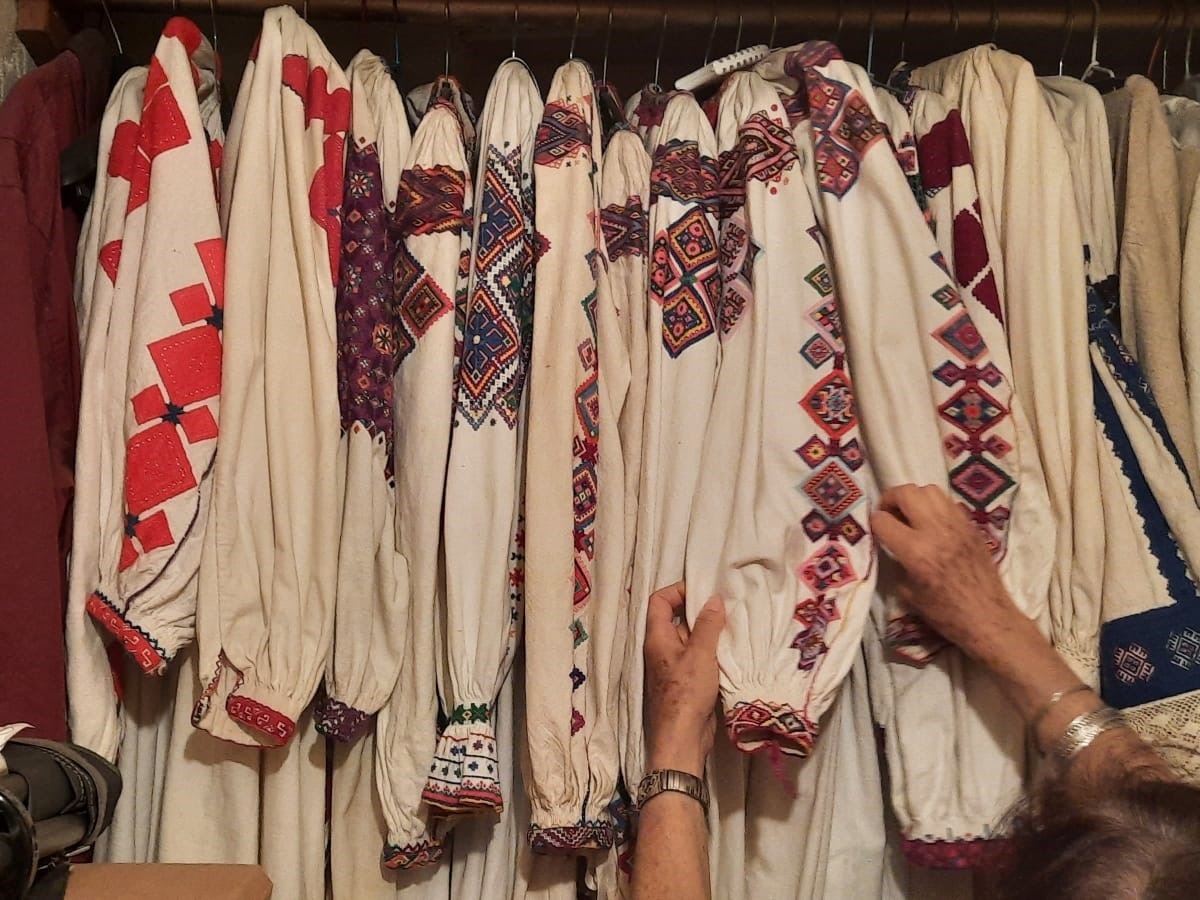 Part of the collection in Paris, donated to the TRC.
Another big event of this week was the fourth, 5-day TRC Intensive Textile Course of 2021 (in spite of the corona crisis) with participants coming from Belgium, England, Germany, Greece, as well as the Netherlands. The participants had very diverse backgrounds and included a forensic scientist, the head of conservation for a prominent Saudi Arabian collection, a representative of the Anni Albers Foundation (she was a well-known weaver who was part of the Bauhaus movement, in Germany), a fashion student from London who is taking the opportunity to learn about textiles in a way that was not possible on the course she was on, a Mexican textile conservator who works in Germany, and someone who ‘simply’ loves textiles. That is what I really enjoy about textiles, they are inclusive and studying them means you meet people with a wide range of interests and backgrounds.
The TRC accepted various donations this week, including a handloom from Bangladesh, a man’s straw hat from India, as well as a high powered, professional microscope! The latter donation means that we can now start developing plans for deeper work on fibre identification and the concept of a TRC textile laboratory.
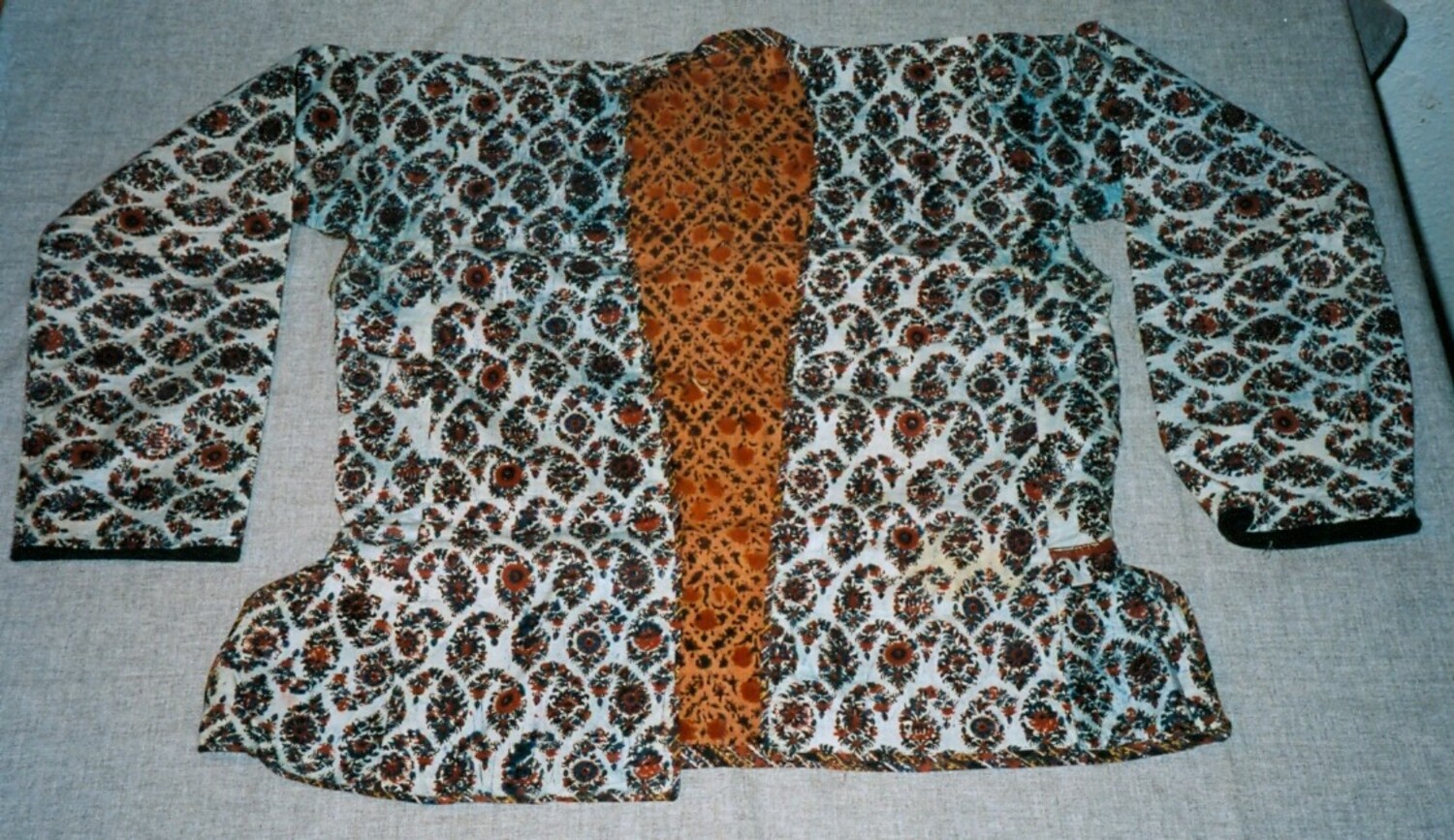 Woman's jacket from Iran, early 20th century, with paisley decoration (TRC 1997.0290).At the same time we were offered (and accepted) four outfits from the Yemeni island of Socotra in the Indian Ocean, together with documentation and photographs. These items will not come to the TRC until January 2022, but it is something that really interests us as so little has been documented about this special type of garment, how they were made and worn. It is likely that within a generation the tradition of these dresses will have vanished.
The TRC already has some garments from this little-known island, and we published two blogs about them (click here, and here). It is so good that people are recording, collecting and documenting these and other types of garments (coming back to what was discussed in the Zay Initiative event).
And finally, last Saturday the national newspaper Trouw published an article by Els de Baan that features the current TRC exhibition about Paisley.
I wonder what next week will bring!
Gillian Vogelsang, 21 November 2021


