• F4
  • F2
  • F1
  • F3

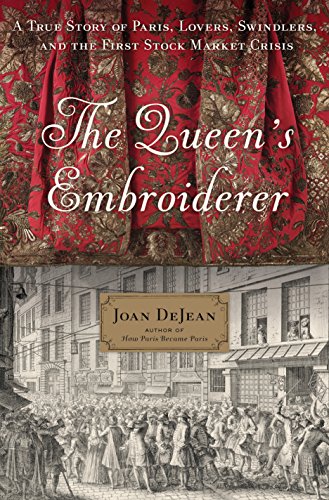
DEJEAN, Joan (2018). The Queen’s Embroiderer: A True Story of Paris, Lovers, Swindlers, and the First Stock Market Crisis, New York: Bloomsbury Publishing, ISBN 9781632864741. Hardback, black/white and full colour illustrations, 383 pp., extensive notes, list of archival documents consulted, and bibliography. Price: US$ 30.

In 1720 a Parisian nobleman, newly wealthy from financial speculation, paid 900 livres to have a suit of clothes embroidered in silver. A year later another nobleman paid 1,390 livres to have a single outfit embroidered in gold. For context, rent on an apartment in Paris at that time amounted to between 100 to 500 livres a year. Embroidery was big business in 18th century Paris.

In 1677 Jean Magoulet was named the Embroiderer to Queen Marie-Thérèse, wife of King Louis XIV. He used his skill in embroidery, and in designing haute couture, to advance his son’s position in life—and to speculate in new construction projects and trade in the New World. He also, in order to avert financial ruin, had his own daughter forcibly deported to New Orleans, where French women accused of prostitution were transported.

Recommendation: This meticulously researched book makes for gripping reading. It is not a history of embroidery per se, but will interest historians of the period, especially those researching trade and economics.

Shelley Anderson, 1 January 2023

BELLOIR, Véronique, Helena López de HIERRO, Gaspard de MASSÉ and Olivier SAILLARD (2022), Balenciaga: Meesterlijk Zwart, Zwolle: Waanders Uitgevers, Kunstmuseum Den Haag. ISBN978-94-6262-427-6. Hardback, 195 pp., fully illustrated in black/white and colour; short bibliography, no index. Price: €29.95.

A fully illustrated catalogue to an exhibition about the Spanish fashion designer, Cristobel Balenciaga Eizaguirre (1895-1972), which was held at the Kunstmuseum in The Hague (the Netherlands), between 24th September 2022 and 5th March 2023.

Balenciaga, as he was generally known, started active life as a fashion designer in the 1920s and 1930s with houses in San Sabastian and later in Madrid and Barcelona. In 1936 and the start of the Spanish Civil War (1936-1939), he moved to Paris and in 1937 opened his own fashion house and became a well-known personality of the Parisian fashion industry, especially in the 1950s and 1960s. He closed the firm in 1968 and retired. The company was later revived and continues to be active to the present day in Paris and elsewhere.

The fashion designs of Balenciaga are regarded as being concise and sculptural, and engineered in some cases in order to gain the effect he wanted: the human body as an instrument for art. He produced a wide range of designs in many different colours, but he was fascinated by the use of black. He combined, for example, shiny black materials with matt forms to create different visual effects. The range of black garments is fascinating.

Recommendation: This is an art book, in black with white letters (sometimes black letters), which can make it difficult to read the texts, and in the case of photographs of black garments on a black ground it can make it very difficult to understand what is actually being portrayed. Nevertheless, as a history of Balenciaga’s designs and developments it is a very interesting book. Worthwhile having if you are seriously interested in the development of 20th and early 21st century fashion and haute couture designs.

Gillian Vogelsang-Eastwood, 1 January 2023

The World Atlas of Tattoo, by Anna Felicity Friedman (2015).The World Atlas of Tattoo, by Anna Felicity Friedman (2015).The TRC Library has become an important, international resource for anyone involved in textiles and dress studies, as well as anyone ‘simply’ looking for inspiration. There are over 5500 titles in the library which range from how-to books to academic publications looking at very specific subjects. The books in the library range in date from the mid-17th century to the present day.

The following group of books are a selection of the publications recently added to the library, and reflect the range of publications that are being produced about textiles and dress, which is such an essential aspect of cultural history and indeed the history of human beings in general.

The recommended books are in a variety of languages, including Basque, Dutch, English, Spanish and Turkish and reflect the multi-lingual nature of the TRC Library.

We would like to thank various publishers, museums and authors for sending copies of books to the TRC Library. It is appreciated.

The following books are being reviewed (see below):

So many books have come in to the library during the last few months that we have decided to do an extra Books Showcased before the TRC shuts for the summer holidays. These books include items from the Fowler Museum in Los Angeles, from Uppercase Publishers in Canada, as well as books from various publishing houses in Europe (notably Spain). For this reason there is a very international air to the following list of book recommendations! (if you click on the illustrations, you will find information about how and where to order the book).

***
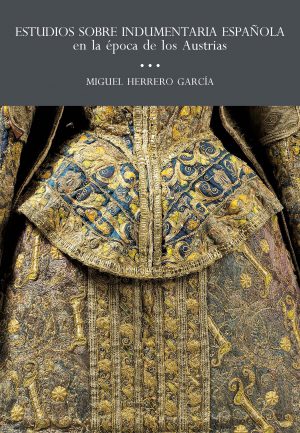
GARCÍA, Miguel Herrero (2014). Estudios Sobre Indumentaria Española en la época de los Austrias. Madrid: Centro de Estudios Europa Hispánica (CEEH). ISBN: 978-84-15245-39-1. Softback, 387 pp., b/w and colour illustrations, bibliography. Price: c. €29 (excluding tax).

A really interesting book that is based upon 74 Spanish garments that date to the Habsburg period (16th and 17th centuries). These garments are now in various public and private collections in Spain as well as elsewhere. In particular, this study looks at those worn by members of the Spanish court and the elite, with a few from ‘lesser mortals’, notably from the world of theatre, as well as items from the Catholic Church. The written sources used include legal documents, items from the various Spanish courts and parliament, guild ordinances, as well as visual evidence in the form of numerous full length portraits and other paintings. The book is divided into various sections that look at the wide range of men and women’s indoor and outdoor garments. There is also a section on the jewellery of the period.

This is not a book of patterns, but an academic study of written sources about textiles and garments from the period in question. The book looks at economic, political, religious and social events and how they have influenced this important period in Spanish history – one that included international tensions, wars, sieges, the threat of and actual invasions. The author has put these elements together to form a history of Spanish dress and its influences on other countries during the 16th and 17th centuries.

There is a companion book, also by Miguel GARCÍA, about the textiles used for the making of these and other garments during the Habsburg period in Spanish history (see below).

Recommendation: As with Garciá’s other book (see below), this volume should be in any serious library about the history of fashion, especially one concentrating on European textiles and garments from the 16th and 17th centuries and the influence of Spain on North European garments and fashion in particular.

Gillian Vogelsang-Eastwood

***
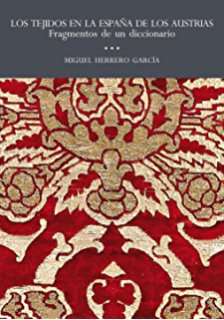
GARCÍA, Miguel Herrero (2014). Los Tejidos en la España de los Austrias: Fragmentos de un diccionario. Madrid: Centro de Estudios Europa Hispánica (CEEH). ISBN: 978-84-15245-41-4. Softback, 283 pp., b/w and colour illustrations, bibliography. Price: c. €29 (excluding tax).

This is a companion book to Miguel GARCÍA's detailed study of dress during the Habsburg period in Spanish history (basically the 16th -17th centuries; see above). According to the publishers this detailed study identifies and analyses 196 textiles that were used by various Spanish courts and officials during the 16th and 17th centuries. However, this is not the case. The author has used contemporary documentation, literature and so forth to record and present written information and sources about particular terms. It is a dictionary of terms, not an analysis of the textiles themselves.

The book looks at silk as well as woollen textiles and presents information about the terms used to describe these textiles. In addition, there is a chapter on Spanish embroidery from the period.

The book is well-illustrated with both portraits of people wearing the relevant garments as well as more than sixty textiles in museum and private collections in Spain and elsewhere. A number of the pieces illustrated in the book are related in some manner to the Catholic Church (notably in the form of vestments).

Recommendation: As with Garciá’s other book, this volume should be in any serious library about textiles, especially one concentrating on European textiles and garments from the 16th and 17th centuries. It is well worth dipping into, even for those whose Spanish is not fluent.

Gillian Vogelsang-Eastwood

***
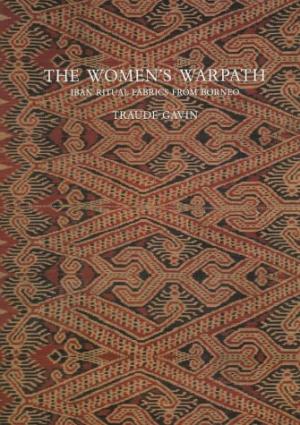
GAVIN, Traude (1996). The Women’s Warpath: Iban Ritual Fabrics from Borneo, Los Angeles: UCLA Fowler Museum of Cultural History. ISBN 978-0930741501, hardback, 100 pp., fully illustrated in colour and b/w photographs, bibliography, short glossary. Price: US$ 20.00.

For generations men in Iban society in Borneo gained status by headhunting, while women gained status, and still do, by weaving. Weaving, and especially the ritually dangerous ceremony involved in applying mordants before dyeing thread with morinda (the root of the Morinda citrifolia tree), is referred to as kayau indu or the ‘warpath of women'. This book looks especially at the patterns found in pua cloth (textiles used as blankets or coverings) and in women’s skirts. These textiles, often ikat, are of hand spun cotton in natural dyes (red, black and beige) and completely covered in intricate abstract designs.

The author, who conducted several years fieldwork and numerous interviews with Iban weavers, places the importance of such textiles in context. She convincingly argues that the supposed anthropomorphic figures on many pua textiles is a misreading by Western collectors and anthropologists.

Most interestingly, some 75 textiles from the 19th and 20th centuries are illustrated in full colour photographs and described. These textiles formed the basis of an exhibition by the UCLA Fowler Museum of Cultural History on pua cloth. The difficulties of dating and provenance are also described. Maps clearly show the land areas of the Iban, and there are black and white photographs that show some stages of ikat dyeing and weaving.

Recommendation: This book will interest collectors and curators of Southeast Asian textiles and anyone interested in the social and religious uses of textiles.

Shelley Anderson

***
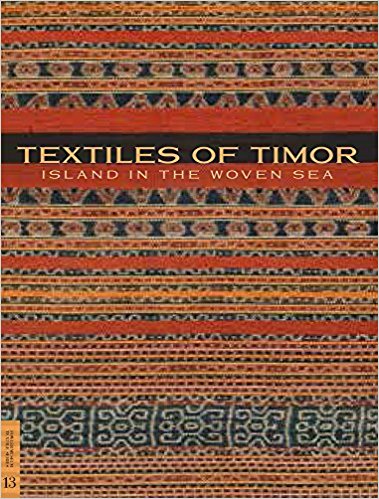
HAMILTON, Roy W. and Joanna BARRKMAN (eds., 2014). Textiles of Timor: Island in the Woven Sea, Los Angeles: Fowler Museum Textile Series no. 13. ISBN 9780984755080, soft back, 252 pp., fully illustrated with colour photographs, bibliography. Price: US$ 50.

Timor, with a population of over three million people, is an island set between Australia and Indonesia. Half of the island is the independent country of Timor-Leste, while West Timor is a part of Indonesia.  This collection of eleven essays gives a comprehensive ethnographical view of Timor and its rich weaving traditions. Textiles reflect Timor’s complex history. High status women’s tube skirts (originally made from locally produced cotton) may be decorated with silk yarn, first introduced by Chinese traders. In some areas traditional motifs have been replaced by Christian images, reflecting Dutch and Portuguese influences. Sometimes specialized weavers make imitation patola designs, based on textiles imported by Indian traders. The idea of democracy means that many traditional high status and distinct clan designs are being abandoned in favour of an emerging new 'Timorese' style, while cheap textiles from Indonesia and the West mean that some villages have lost their weaving tradition all together.

The information on motifs and the main decorative techniques (e.g., warp float, warp ikat and supplementary-weft wrapping) is detailed and informative, as is an essay on local plants used in sizing and dyeing, and the woods involved in making spindles. This collection of essays also look at the role textiles have in maintaining communities' sense of identity, and at the ritually-charged nature of many aspects of textile production, such as dyeing and weaving. The profuse colour photographs that appear on each page are excellent.

Recommendation: This book will interest curators, collectors and anyone who wants to learn more about Southeast Asian textiles in general, and Timorese textiles in particular.

Shelley Anderson

***
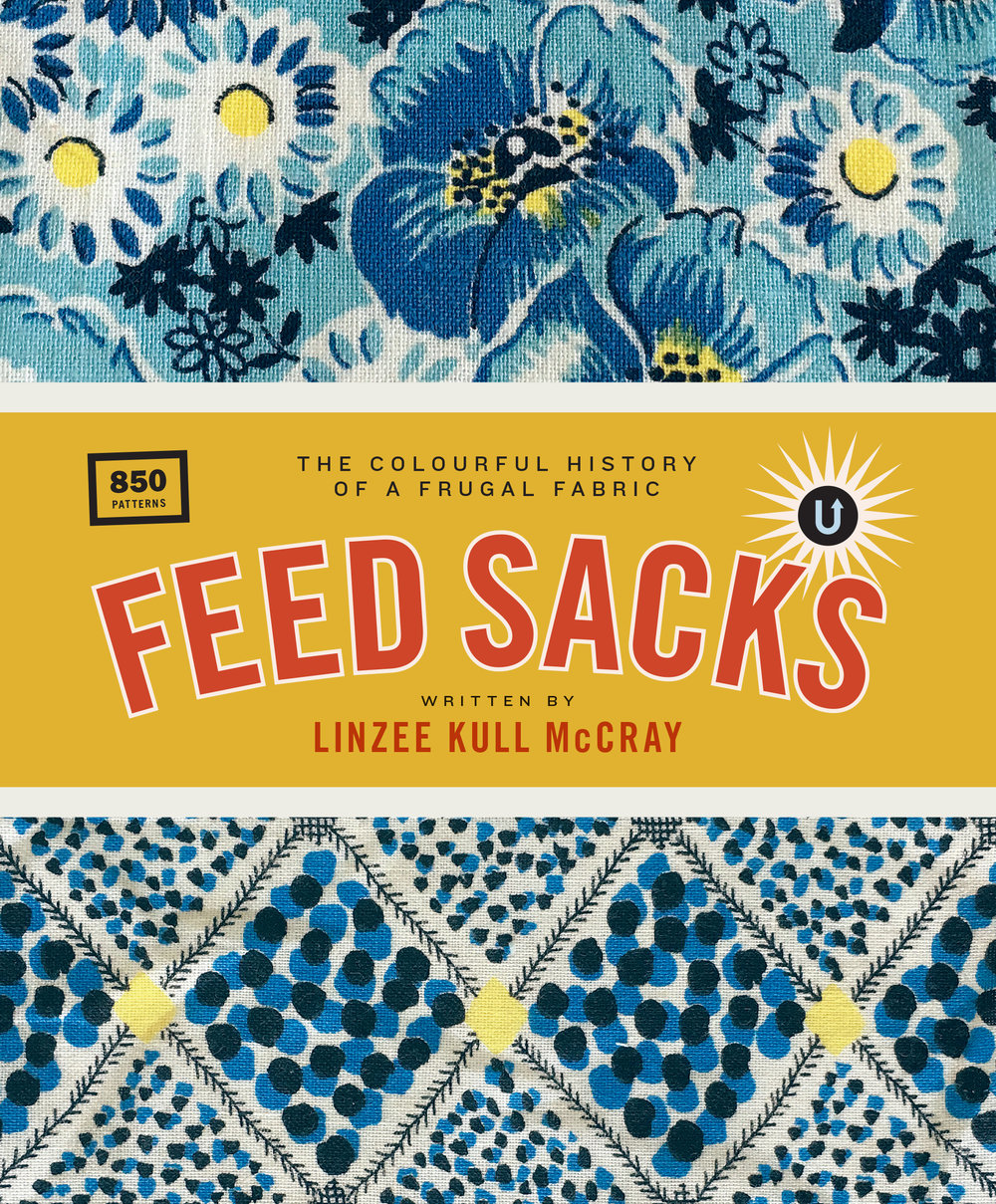
MCCRAY, Linzee Kull (2016). Feed Sacks: The Colourful History of a Frugal Fabric, Calgary: Uppercase Publishing Inc. ISBN: Softback, 544 pp., fully illustrated in colour, bibliography. Price CAN$50 (c. €35)

I did not expect to get interested or even excited about printed feed sacks from the US, in fact I had never even heard of them until recently. But a few months ago we were given 35 examples for the TRC Collection and this gift roused an interest in the subject. This book has made me a convert. It is simply a fascinating story and the book helps to bring the whole history of this type of cloth to life (literally).

Cotton feed sacks were widely used for storing and carrying items, such as flour, grain, sugar and corn. During the 19th and early 20th centuries these items were sold in plain cotton sacks, which in turn were soon used in many US households for making items needed around the home. By the early 1920’s, manufacturers had realised that if the cloth was printed with attractive designs, then people would buy their products for their packaging. This led to the development of the decorative printed feed sack. Printing companies vied with each other to produce a wide range of designs that would appeal to feed sellers and, more importantly, their customers. These decorative versions of the feed sacks became very popular and were used for a wide range of items, including men's, women's and children’s clothing and household items, such as bedding (sheets, pillowcases, quilts), curtains, tablecloths, and clothes pin bags. In fact, they were used for just about anything. Their widespread use declined following the advent of paper and later plastic packaging.

The book can be used for just dipping in, looking for specific historical details, but also as  a source of inspiration for the making of household objects, especially quilts. It is worth noting that the cover of the book opens up into a full size sack with four different designs, so that the reader can fully understand the size and shape of these objects. A nice touch! The aim of the series speaks for itself: “Encylopedia of Inspiration” (this is volume F). There is deliberately no ‘logical’ order for the series, but apparently there will eventually be the full alphabet (see also below, Uppercase, S for Stitch∙Illo).

Recommendation: This book will be of interest to anyone looking into the history of women in the US, sustainability, the relationship between commerce and daily life, as well as to quilters, textile artists and indeed those interested in the history of textiles and of printed forms in particular. It is one of those books that should be in a serious textile library.

Gillian Vogelsang-Eastwood

PS We are now seriously thinking of having an exhibition about printed feed sacks at the TRC Gallery in 2018!

***

MILGRAM, B. Lynne and Roy W. HAMILTON (2008). Material Choices: Refashioning Bast and Leaf Fibers in Asia and the Pacific, Los Angeles: Fowler Museum Textile Series, no. 8. ISBN: 9780974872988, softback, 188 pp., fully illustrated in colour, endnotes, bibliography, index. Price: US$ 19.28.

This book is based on a major exhibition called “Material Choices: Bast and Leaf Fiber Textiles”, which was held at the Fowler Museum, Los Angeles, from August to December 2007. The book consists of a series of academic essays about the use of bast (stem) and leaf fibres from a wide range of plants from Asia and the Pacific regions. It quite deliberately does not include bark cloth from the region.

The plants producing bast and leaf fibres described include banana (Musa sp.), hemp (Cannabis sativa), kudzu (Pueraria montana), lemba (Curculigo latifolia), mulberry (Broussonetia sp.), pina (Ananas comosus), ramie (Boehmeria nivea) and wisteria (Wisteria brachybotrys). As will be seen these were, and still are used to produce a wide variety of loom-woven textiles for personal, as well as household use.

The complexity of production techniques, the range of textiles actually created and how they are used are certainly thought provoking and take the (general) reader far past the fibre plants that are commonly associated with European, Middle Eastern and Indian textile traditions (such as cotton, flax, jute and nettle).

The various chapters look in detail at the production of fibres in Indonesia, Japan, Korea, the Philippines, as well as Micronesia and are written by specialists in the field. The chapters are well illustrated with colour pictures that depict various aspects of the making and use of the relevant textiles.

Recommendation: this book is another example of a book that should be in any serious textile library. It presents a view of textiles, their production and use that will probably be unknown to many readers. It should also make museum curators think about the fibre identification of items already in their collections! The illustrations in the book are well presented and certainly add to the value of the book and its information.

Gillian Vogelsang-Eastwood

***

PHIPPS, Elena (2013). The Peruvian Four-Selvaged Cloth: Ancient Threads, New Directions, Los Angeles, Fowler Museum Textile Series, No. 12. ISBN: 978-0984755059, softback, 96 pp., notes, bibliography. Price: US$ 26.98

A book accompanying an exhibition with the same name that was held at the Fowler Museum, Los Angeles, from October 2013 – February 2014.

The exhibition concerned a particular type of cloth that has four, rather than the normal two selvedges. It examines this particular form of tapestry weaving (often using a split tapestry form), which can be traced back for hundreds of years in pre-Columbian Peru. It is particularly associated wieth the Chancay (11th-15th centuries) and Wari (6th-11th centuries) cultures. This technique was used for items of clothing as well as for household goods. The end results were often spectacular examples of the technical and visual skills of the weavers.

A twist in the story comes with the author, Elena Phipps, teaming up with contemporary textile artists, namely James Bassler, John Cohen and Sheil Hicks, to create modern textile art based on this ancient technique. Some of the results are spectacular, others are much more subtle, but it is a good example of how inspiration can be drawn from contemplating, examining and learning from older pieces.

Recommendation: In the first place this is a book for those interested in the history and technical skills of South American and Peruvian textiles in particular. But the added dimension of the modern textile artists means that it should also appeal to those working within and alongside the field of Textile Art. Well worth looking at and reading in a quiet moment at home.

Gillian Vogelsang-Eastwood

***

SUNDBØ, Annemor (2001), Everyday Knitting: Treasures from a Ragpile, Bygland: Torridal Tweed (originally published in Norwegian, translated by Amy Lightfoot). ISBN 82-994657-1-0, softback, 192 pp., fully illustrated in colour, bibliography. Price: c. €50.

In 1983 Annemor Sundbø took over a recycling company (shoddy) with a depot that contained tons (literally) of used wool in the form of worn woollen clothing. She quickly discovered that this material was not only the basis for mattress and cushion fillings, but it could be used to form and tell the amazing story of hand knitting in Norway and elsewhere in Europe.

She used over 3000 knitted garments to tell the story of Norwegian knitting in a well-researched and humourful manner. The origins of knitting is described, the various developments of hand knitting are emphasised as well as the meanings of motifs on jumpers and socks. Many of the patterns are also given in the book.

Recommendation: A very special and informative book, which is a pleasure to dip into as it is so richly illustrated, as well as to read. This book is a ‘must-have’ for anyone involved in knitting (at any level), and all those interested in the history of knitting, as well as those who are focussing on Norwegian and Scandinavian regional dress. It is also a dip in book for those who are not 'into' knitting. You never know: this book may just convert you.

Nan van der Storm

***
STORM, Nan van der (no date). Het grote Stoppenboek, home published, softback, 48 pp., fully illustrated in colour with photographs and patterns. There is also a two page summary in English. Cost: €18 (€27 inc. postage abroad).

For thousands of years people have been repairing and mending their textiles and garments using various darning techniques. Examples of darned textiles were even found in the tomb of the ancient Egyptian pharaoh, Tutankhamun. By the 18th century in Europe, the technique of darning was being used to create decorative effects and as a purely practical skill. The 18th century also saw an increase in the production of decorative darning samplers, which became works of art a century later.

This book is based on the darning techniques of the past, but in a modern and colourful jacket. It is essentially looking at darning as a decorative rather than practical technique.

The book is divided into six chapters. The first chapter pays attention to the materials used and the various techniques. There are also various tips given that help make the technique easier. There then follow several chapters that give various different types of darning patterns and techniques with examples of each form. The last chapter includes a pattern for a large example of darning that is based on patterns given earlier in the book.

Recommendation: this booklet is suitable for both beginners and those with more experience. It is also a source of inspiration for further experimentation with this ancient technique.

Gillian Vogelsang-Eastwood

***
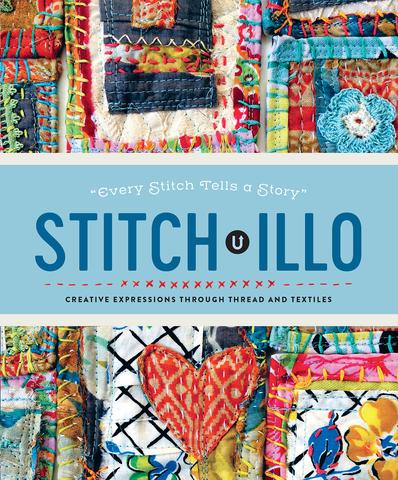
UPPERCASE (2017). The UPPERCASE Compendium of Craft and Creativity, Stitch•illo. Calgary: Uppercase Publishing Inc. Softback, 352 pp., fully illustrated in colour, bibliography. Price CAN$40.

This is the third in a series of books about textiles, textile crafts, and about embroidery in particular (see the Feed Sack review above). The book features biographical and work details about 46 textile artists from around the world, literally from traditional ‘stitchers’ to those working with soft sculpture techniques. The range and diversity of approaches to the subject are designed to be thought provoking. And it works.

Recommendation: This book is used for browsing, spotting a style of work that is of interest or totally different to the one you are used to using and then learning a little more about it. The aim of the series speaks for itself “Encyclopedia of Inspiration” (this is volume S). There is deliberately no ‘logical’ order for the series, but apparently there will eventually be the full alphabet.

Gillian Vogelsang-Eastwood

Numerous and very varied books have recently been arriving for the TRC Library. These range from an exhibition catalogue about eighteenth century Watteau paintings and sketches to a books about Western (i.e. cowboy and cowgirl) clothing in the USA. In addition, thanks to a generous gift from the Fowler Museum of Cultural History, Los Angeles (see TRC Blog), the library has acquired over twenty books on a wide range of subjects, including Maya costume in Highland Guatemala in the 1960’s, Indian jewellery, as well as garments and outfits from southeastern Europe and the Balkans.

Although we normally only recommend books that are published within the last ten years, we are making a special exception of the Fowler textile books, as these publications are still available from the Fowler Museum, Los Angeles.

The TRC Library now has over 2500 titles online and is growing rapidly thanks to these and other gifts. The library is open to the public during our normal opening times (Monday-Thursday, 10.00 until 16.00). Books are not available for lending and taking home to read. The one exception is if you are a Friend of the TRC, in which case you may borrow books for up to a three week period.

***

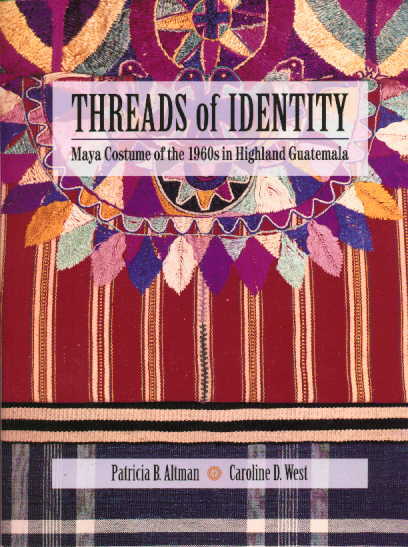
ALTMAN, Patricia B. and Caroline D. WEST (1992). Threads of Identity: Maya Costume of the 1960s in Highland Guatemala, Los Angeles: Fowler Museum of Cultural History. ISBN: 0-930741-24-2, soft back, 191 pp., fully illustrated in colour, appendices, bibliography. Price: US$ 27.

This books is a systematic study of Maya costume in one particular part of Guatemala. Although it states that it is looking at garments from the 1960s, in fact the information provided covers a far wider time scale as it looks at the Maya textiles and garments from before the arrival of the Spanish in the fifteenth century to the late twentieth century. The authors look at the garments in various chapters: (a) Men’s dress, (b) Women’s dress, (c) Costume and language, (d) Costume and geography and (e) Costume and society. Within each chapter there is a wealth of detail and information that show how working conditions, group identity, Maya and colonial backgrounds, have all influenced the wide variety of textiles made and the garments worn by men and women.

Recommendation: The TRC has a small collection of Guatemalan textiles and garments and this book has really helped me in understanding the garments, how they work together and where the various items came from. Not surprisingly, this book has become a classic and will be of interest to anyone working in the field of South American textiles and garments, and Guatemalan examples in particular, as well as people looking for inspiration for their own projects. Well worth reading.

Gillian Vogelsang-Eastwood

***

BALAKRISHNAN, Usha R. and Thomas K. SELIGMAN (2017). Enduring Splendor: Jewelry of India’s Thar Desert, Los Angeles: Fowler Museum at UCLA, ISBN: 9780990762645, paperback, 135 pp., fully illustrated in colour, bibliography. Price: US$ 20.99.

A catalogue to an exhibition held at the Fowler Museum from the 19th February to the 18th June 2017. The exhibition looked at the silver jewellery and dress traditions in the Thar desert region of north-western India (in the states of Rajasthan and Gujarat). The jewellery included items worn by a wide range of social groups. In particular it looked at the silver jewellery made in the Indian city of Jaisalmer and four contemporary sonis (silver or goldsmiths) in particular. Many of the items came from the Ronald and Maxine Linde Collection of Indian jewellery, part of which is promised to the Fowler Museum.

The exhibition discussed how the jewellery is made, the influences on its forms, how it is worn by men and women and with what. The exhibition also included various sculptures and paintings to further illustrate how the jewellery was worn. The catalogue reflects the jewellery and other items on display and has been divided into (1) From Metal to Ornament (the language of jewellery), (b) Four sonis from Jaisalmer, (3) the world of Indian jewellery in general, (4) a selection of jewellery from the Linde Collection. There is also an appendix used to tell various traditional stories about the role of gold (greed) in Indian society.

Recommendation: This is a beautifully illustrated book – and taking good photographs of jewellery is not easy – that visually explores the role of jewellery in Indian society, as well as describing in detail the various main types of silver jewellery from the Thar Desert region in particular. It will be of great interest to anyone who is intrigued in silver jewellery (as producers, historians and/or wearers), Indian dress in general, and Western Indian society in particular.

Gillian Vogelsang-Eastwood

***

BARBER, Elizabeth Wayland and Barbara Belle SLOAN (eds.; 2013). Resplendent Dress from Southeastern Europe: A History in Layers (ISBN: 978-0984755035), 275 pp., fully illustrated in colour, endnotes, appendix, bibliography and index. US$ 32.48.

Southeastern European dress is one of the most complicated forms in Europe. There are numerous variations in this vast region, which has been influenced by many different cultures, from the Ottoman Empire to the Soviet Empire. The names of the countries have changed over time, been re-named, divided, re-named and then divided again. All of which makes a detailed study of the dress history from this region difficult.

This book is an accompanying book to an exhibition with the same name that was held at the Fowler Museum in 2013. Many of the items in the book are from the museum’s own, extensive collection of southeastern European dress. According to the foreword of the book the Museum has over eighty complete ensembles, as well as several hundred individual garments from the region. The chapters in the book have been written by various specialists and include (a) an ambitious 20,000 year history of dress in the region, (b) Ottoman influence on Balkan dress, (c) embroidery traditions in central and southeastern Europe, (d) the role of war on costume, music and dance in one particular Croatian village, (e) the role of dress and dance in the Romani community of Skopje, (f) the stories behind the clothes. In addition there is an appendix, which is basically a catalogue of all the items mentioned in the text. There is a wide range of illustrations that show historical as well as modern images of people wearing the various forms of garments. There are also complete outfits displayed, not on mannequins but flat and in the correct position. In various examples the front and back of an outfit is given, which is most helpful.

Recommendation: This is a beautifully illustrated book that helps to bring into economic and social context the role of dress in the Balkan region of Europe. The diverse nature of the chapters means that a complete overview is not possible (albeit something that is needed) and as such it should not be regarded as a complete compendium to various forms of dress from the region. Instead it is a thought provoking introduction to the subject. This book should be in any dress library that deals with regional dress, European dress and Balkan dress in particular.

Gillian Vogelsang-Eastwood

***

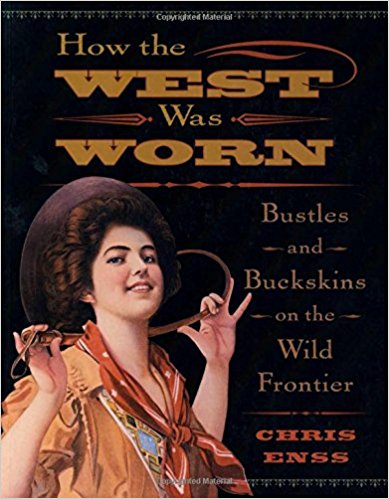
 ENSS, Chris (2006). How the West Was Worn: Bustles and Buckskins on the Wild Frontier, Connecticut: The Globe Pequot Press. ISBN: 13: 978-0762735648, soft back, 130 pp., b/w illustrations, short bibliography. Price: US$16.95.

This is an easy-to-read introduction to what some have called the USA’s only indigenous contribution to fashion: the cowboy look. Because this type of clothing originated on the shifting (in the 19th century) western border of the young republic, it is often called Western wear. As this book makes clear, Western clothing was purely functional and work-oriented. It was the clothing (normally wool or flannel) of miners, settlers, ranchers and cowboys. Garments were designed and produced on the East coast, where climate and conditions were very different and more suitable for producing these garments. Travelers, often provided with detailed lists of clothing to take with them before leaving the East coast, found that they could make a lot of money selling or trading their clothing. The need for durable, practical textiles sometimes resulted in breaking social rules: women wore men’s clothing, especially when horse riding, and men wore women’s sun bonnets when their own hats were lost or destroyed.

Recommendation: This is not an academic book. It’s aimed for the general public and the focus is more on social history than on textiles themselves. It does include a general overview of nineteenth century American Western clothing for men, women and children; there are also separate chapters on US military and some Native American clothing of the time. It’s nicely designed with illustrations from nineteenth century mail order catalogues on the margins.

Shelley Anderson

***

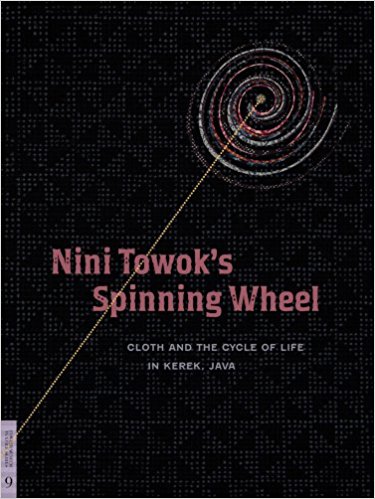
HERINGA, Rens (2010). Nini Towok’s Spinning Wheel: Cloth and the Cycle of Life in Kerek, Java, Los Angeles: Fowler Museum Textile Series no. 9. ISBN:978-0977834426, softback, 92 pp., fully illustrated in colour, bibliography. Price: US$ 23.38. 

This is an accompanying book to a small exhibition at the Fowler Museum in 2010 with the same name. The exhibition was based on a collection of Indonesian textiles from Kerek, Java, which belonged to a variety of people, including Rens Heringa, a well-known Dutch authority on Indonesian textiles. Many of the textiles in the exhibition were later acquired by the Fowler Museum. The catalogue includes short sections on Java, Kerek clothing, design formats on Kerek cloth and the relationship between land ownership, social classes and textiles in Kerek. There then follows a catalogue of the 64 items many (but not all of which) were in the exhibition. Each of the items is described with respect to the social meaning of the textile, such as belonging to a grandmother, an elite grandfather or a dyer. These details can be gleaned from the colours, patterns and design layout used.

Recommendation: An interesting study showing how textiles are held in deep regard within certain societies and how the ‘messages’ concerning the wearers and owners can be read. A book that should be in any library about Indonesian textiles, as well as being an introduction to the more specific subject of Kerek textiles.

Gillian Vogelsang-Eastwood

***

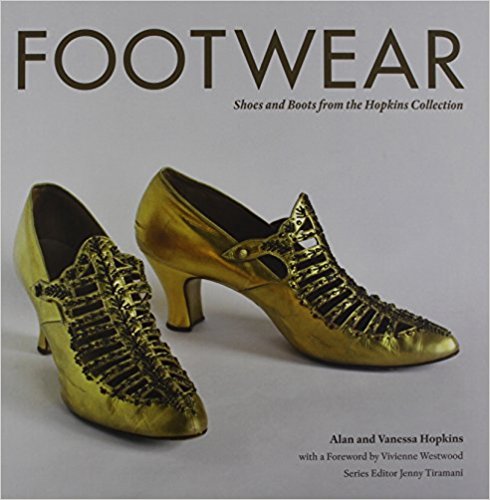
HOPKINS, Alan and Vanessa HOPKINS (2015). Footwear: Shoes and Boots from the Hopkins Collection, London: The School of Historical Dress. ISBN: 9780993174407, 216 pp., fully illustrated in colour, short bibliography. Price: £25.

The Hopkins Collection includes over 450 items of footwear. This book highlights over 200 pairs of shoes, mostly European, from the Collection. It is arranged chronologically, with the earliest pair (a green silk satin with pointed toe) dating to c. 1730, and the last (black suede with 3 inch heels) to c. 1950s. There is a full page, full colour photograph of each pair of shoes, and an accompanying page with more photographs of details from the shoes (e.g., decorative stitching, trade mark, heel, etc.) and illustrations from the same time period of clothes that would be worn with similar shoes. The photographs and accompanying descriptions make this both a beautiful book and a highly informative one. The construction of the footwear is often shown.

The Collection includes a woman’s and man’s pair of slippers in Berlin woolwork, c. 1830s to 1880s (HC.F-4.97-1 and HC.F-8.00 respectively). The accompanying page show examples of un-made-up panels of Berlin woolwork embroidery for slippers, and an embroidery pattern for slippers from an 1864 magazine. There is a very useful glossary in the back of the book, along with an illustration of the parts of different shoe styles (e.g., court, Cromwell, Derby and Oxford shoes). The majority of the shoes are for women, but there are some men’s and children’s shoes shown. It was also very interesting to see a pair of pattens (HC.F-4.93), used by both workers and elites to avoid mud and water. The shoes sold in Britain during World War Two (when shoes and clothing were strictly rationed) were also interesting—to save leather, wooden soled shoes were attempted.

Recommendation: This book will appeal to anyone interested in shoes. Its information on dating shoes by heel styles could help researchers and collectors alike.

Shelley Anderson

***

51VQVKV6EWL. SX360 BO1204203200 51VQVKV6EWL. SX360 BO1204203200 GEORGE-WARREN, Holly and Michelle FREEDMAN (2006). How the West was Worn: A History of Western Wear, New York: Abrams, in collaboration with Autry National Centre, Los Angeles. ISBN: 978-0810992566, paperback, 240 pp., fully illustrated in colour. Price: US$24.95.

This is a well-researched book on the evolution of American Western wear, from nineteenth century male work clothes to twenty-first century rhinestone costumes for country and western singers. It is beautifully illustrated with full-colour photographs on almost every page. The bulk of the book is devoted to the history of Western wear in the 20th century, as worn by screen actors and musicians. One plus of this book is the almost equal attention to women’s wear, as well as men’s wear.

In the nineteenth century travelling Wild West shows helped spread a certain idea of Western wear across the US, as did adventure books and newspapers. By the early 20th century film and television were influencing Western wear. Actors like Gene Autry (1907-1998), Roy Rogers (1911-1998), Dale Evans (1912-2001) and William Boyd (1895-1972) popularized Western wear such as fringed shirts or skirts, piped or embroidered with floral motifs, leather vests, boots, and other Western wear. During the 1940s and 1950s rodeos, dude ranch holidays, and the popularity of square dancing provided opportunities to wear Western-style clothing throughout the country, not just in the American West. By the 1950s Western wear was so popular that fabrics were sold with Western motifs like lassos, cowboys, and steers, along with sewing patterns to make your own cow boy or cow girl clothes. Western wear was big business, involving not just textiles: Roy Rogers endorsed over 450 products, and his brand had a net worth of 50 million dollars. Films continue to promote Western wear, as John Travolta’s character in the film Urban Cowboy shows. This book looks at the influence, too, of designers like Nudie and Rodeo Ben (and later Ralph Lauren). It is refreshing to learn the names of some of the embroiderers who worked for these designers, such as Margaret Miele.

Recommendation: This is a book for collectors, fashion historians and anyone with a serious interest in the continuing fascination with Western wear.

Shelley Anderson

***

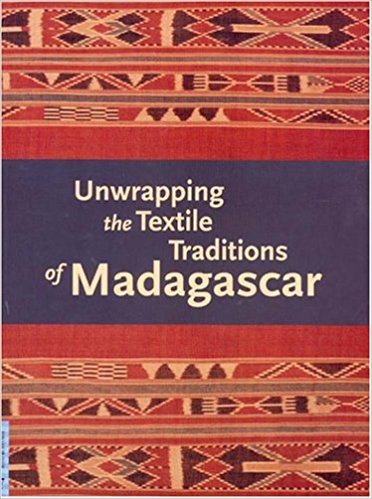
KUSIMBA, Chapurukha M., J., Claire ODLAND and Bennet BRONSON (eds.; 2007), Unwrapping the Textile Traditions of Madagascar, Los Angeles, Fowler Museum Textile Series No. 7, ISBN: 0-930741-95-1, softback, 196 pp., fully illustrated in colour, bibliography, index. Price: c. US$ 20.

The island of Madagascar off the east coast of Africa is well-known for its spices and minerals, but as shown by this book it also has a very rich tradition of the production and use of textiles. The textiles and garments show a mixture of African, Indian as well as European styles, which reflect the long and complicated economic, social and trading nature of the island’s history. These are made from a wide variety of fibres, including bark cloth, cotton, hemp, raffia, as well as silk of various types, such as silk from the Bombyx species and various forms of Borocera.

The range of textiles include ikats (in cotton, silk or raffia), beaded forms and striped cloth, narrow bands of cotton similar to Sudanese and Nigerian cotton bands, as well as kente cloth from Ghana. The book concentrates on the role of cloth in various parts of Madagascar, notably the south and highland regions of the island. The various chapters look at both men and women’s clothing.

In addition, there is a chapter about a group of Malagasy portraits that were painted between 1910-1930 by various artists and collected by W. T. Rawleigh, a local landowner. The artists included Antoine Ratreba and Ratodiarivony (also known as Ratody). In particular, Ratody produced a series of men and women’s portraits that show in detail their particular and regional dress (including some intricate hair styles), which is now a valuable source of information about early twentieth century Malagasy dress history. There is also a section about cloth and death and the role of shrouds and how some bodies are re-wrapped because of the importance of being dressed in life and death.

Recommendation: This book should be in any serious textile library, especially ones that are specialising in African or Indian Ocean textiles and garments. As with all Fowler publications the book is fully illustrated with a series of historical as well as modern images and photographs.

Gillian Vogelsang-Eastwood

***

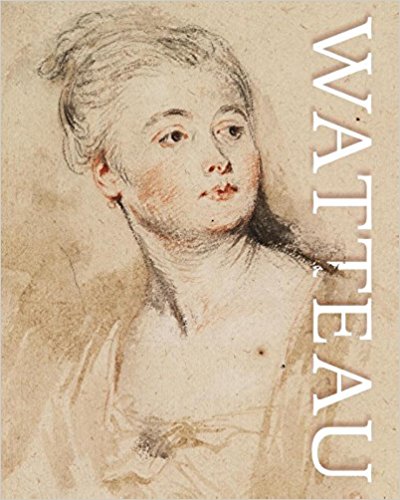
PLOMP, Michiel and Martin SONNABEND (2017). Watteau, Bussum: Uitgeverij Thoth Bussum and Teylers Museum. ISBN 978-90-6868731-6; softback, in Dutch, 263 pp., fully illustrated in colour, bibliography. Price: €29.90.

This is a catalogue for an exhibition that was held at the Teylers Museum, Haarlem (The Netherlands), between the 1st February and the 14th May 2017. The exhibition concentrated on the paintings, preparatory drawings and pastel sketches of the French artist, Jean Antoine Watteau (1684-1721). He belonged with the Rococo style of art. Of interest to the TRC is the number of drawings he made of people and their clothing. It is clear he was fascinated by garments (French and foreign), how they draped, reflected light and so forth. Two very different images, for example, show the level of detail Watteau was able to achieve, namely an old man sleeping in his equally old clothing (p. 233) and a wealthy woman prancing in her (silk) dress (p. 237).

Recommendation: This is a book that is both fascinating to read and look at. It presents the diverse nature of Watteau’s skills as an artist. There are numerous depictions in the catalogue, especially in pastel, of the front, side and backs of people that will greatly aid anyone working on early eighteenth century French costume of all social levels, as well as those interested in North European fashion and dress in general.

Gillian Vogelsang-Eastwood

***

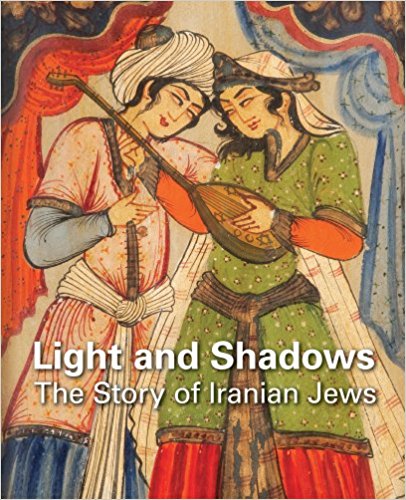
YEROUSHALMI, David (2012). Light and Shadows: The Story of Iranian Jews, Los Angeles: Fowler Museum at UCLA. ISBN: 978-0984755028, hardback and softback versions available, 198 pp., fully illustrated in colour, bibliography at the end of each essay. Price: US$ 8.88.

This is a catalogue accompanying an exhibition that was held at the Beit Hatfutsot, The Museum of the Jewish People, Tel Aviv, Israel and the Fowler Museum at the UCLA, USA. The book and the exhibition explore the history and cultural development of the various Jewish communities in Iran, as well as those who emigrated from Iran to America following the Islamic Revolution in Iran in 1979. The book looks at various aspects of Iranian Jewry, based on a series of chapters by various authors. These chapter include information about Iranian Jewish history, culture, language and visual arts. There is also a chapter on the Jewish communities during the period of the Persian Empire, which is based on the Al-Yahudu clay tablets that date to the sixth century BC and were written in the ancient Akkadian language.

Although there are many items in the catalogue few are textiles or garments. Actually there are four, a headcovering, the skirt and trousers worn by a child bride from Marv (1900) and a jacket for a nother young bride in Iran (1908). There are, however, a significant number of amulets and talismans that would have been worn by Jewish women. In addition, there are numerous paintings and photographs that illustrate Iranian Jewish dress for both men and women.

Recommendation: this book is useful for presenting the history of an important group of Jews who have lived for thousands of years in what is now known as Iran. It is a useful context book rather than a textile or dress book.

Gillian Vogelsang-Eastwood

More and more people are discovering the TRC Library! We are now constantly having visitors come to use this important facility, including academics, fashion students, and those who are looking for specific inspiration or background information about textiles and garments they may have at home. There are now over 2600 recorded books in the library and thanks to publishers, donations and purchases the library is rapidly going towards to the 3000 mark (we would eventually like to have a library of c. 10000 items, so there is a little way to go).

The March 2017 list of selected books is, as normal, diverse and includes items about historic trade routes, Opus Anglicanum, Indian embroidery as well as jet jewellery from Yorkshire in England.

***

BAILEY, Sarah (2013). Clerical Vestments. Ceremonial Dress of the Church. Oxford: Shire Publications. ISBN: 9780747812210, soft back, pp. 64, fully illustrated in colour, short bibliography, places to visit and index. Price: £7.99. Available here.

Shire Publications is renowned for its wide range of small booklets with excellent information on various subjects, ranging from buses to stained glass windows, from the distant past to the present day, and from all corners of the earth. The booklet on clerical vestments is no exception to the general high quality of the booklets. It offers a brief but very informative introduction to the history and wide range of garments worn by the Christian clergy from the early medieval period onwards. The focus lies on Britain and western Europe. There are excellent illustrations, all in colour.

Recommendation: This book should receive a warm welcome by anyone interested in embroidery and Church history. The texts and illustrations make the book a pleasure to read. 

Willem Vogelsang

***

BROWNE, Clare, Glyn DAVIES and M. A. MICHAEL (eds., 2016). English Medieval EmbroideryOpus Anglicanum, New Haven and London: Yale University Press in association with the Victoria and Albert Museum. ISBN: 9780300222005, hardback, pp. 336, fully illustrated in colour, with glossary and bibliography. Price: £35. Available here.

This lavishly illustrated book accompanied the exhibition ‘Opus Anglicanum: Masterpieces of English Medieval Embroidery’, which was mounted at the Victoria and Albert Museum, London, between 1 October 2016 and 1 February 2017. The exhibition and the book were supported by Hand & Lock, an embroidery atelier based in London. The book contains an introduction to opus anglicanum and medieval English embroidery, divided into seven chapters that approach this form of embroidery from various angles (pp. 1-111), followed by an extensive and detailed catalogue of all objects included in the exhibition. Opus anglicanum was perhaps the most famous and expensive form of embroidery produced in northwestern Europe between the mid-thirteenth and mid-fourteenth centuries. It is characterised by its use of gold thread underside couching. Extant examples are mainly of an ecclesiastical origin, since most secular garments worked in opus anglicanum have not survived. Hence the exhibition, and the present book, include and discuss many vestments that were originally made for liturgical purposes.

Recommendation: this catalogue is an absolute must for anyone interested in needlework, in particular medieval European embroidery. The text is well written, easily accessible, and the many colour illustrations provide a wealth of information that directly supports the accompanying text.

Willem Vogelsang

***

HILDEBRANDT, Berit and Carole GILLIS (2017). Silk: Trade and Exchange along the Silk Roads between Rome and China in Antiquity, Oxford and Philadelphia: Oxbow Books. ISBN 978-1-78570-279-2, hardback and digital editions available. Hardback: pp. 130, fully illustrated in colour with some b/w illustrations, bibliographies at the end of each chapter, no index. Price: £30. Available here. 
The book is based on a symposium that took place at the Mahindra Humanities Center, Harvard University (USA) in April 2012. The aim was to look at the important role of silk in the ancient world and in particular its role in the various trade routes that stretched from China to the West in antiquity. Unlike many publications on this subject, both Chinese and Western authors have contributed to the study. The book is divided into eight chapters by different authors on a wide range of subjects including how the Chinese viewed the Romans (Liu Xinru), the early trade in textiles in Asia (J. Mark Kenoyer) and the West (Angela Sheng), the production and trade in textiles in the Roman Empire (Berit Hildebrandt), the etymology of the English word silk (Adam Hyllested), archaeological finds in Central Asia, Syria and Egypt (authors including Thelma Thomas and Lillian Lan-ying Tseng), as well as a technical study of the identification of wild and domestic silk forms used for types of textiles found in Xinjiang (Zhao Feng). The book is dedicated to Dr. Irne Lee Good (1958-2013), a prominent textile historian working on Central Asia, who was instrumental in bringing many ideas and peoples together.

Recommendation: this book is a must for anyone working on early Chinese, Central Asian and Western Asian textiles. It contains a wide variety of information and should stimulate readers to think a little further about this fascinating and historically important subject. It should be in any serious research library dedicated to the study of textiles and related subjects.

Gillian Vogelsang-Eastwood

***

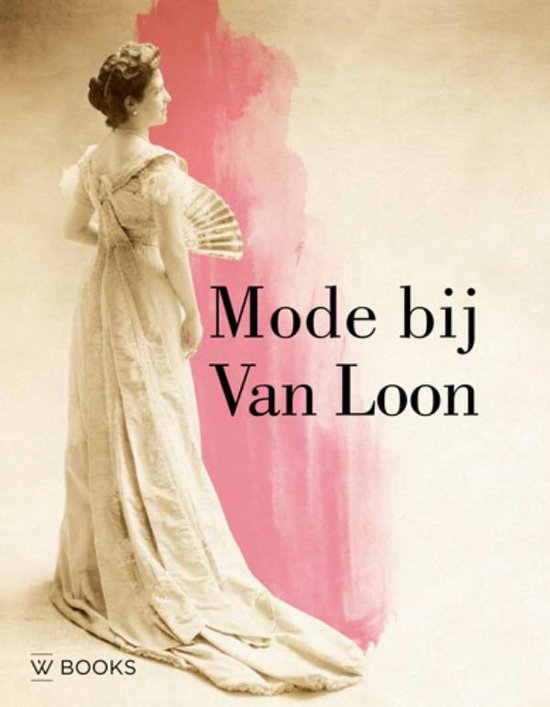
LITH, Wendy van, Valentine RIJSTERBORGH and Rosalie SLOOF (2016). Mode bij Van Loon, Amsterdam: W. Books and Museum Van Loon, ISBN 978-94-625-8125-8, soft back, pp. 79, fully illustrated in colour and b/w, notes, no bibliography or index. Price: €19.95.
Between the 3rd March and the 30th May 2016 the Museum Van Loon in Amsterdam, The Netherlands, staged an exhibition of garments worn by various members of the Dutch aristocratic family, Van Loon. The majority of the items illustrated in the book date from the mid-nineteenth to 2013. The book includes a wide range of family portraits and photographs intermingled with objects. Both men and women’s clothing are depicted and described, as well as accessories such as headgear and fans. These items are from various museum collections as well as the Museum Van Loon collection. There is also a chapter on the manner in which the Van Loon family has used clothing and fashion to emphasise and support their role at the royal court of The Netherlands and elsewhere. Many of the garments were made by fashion houses in France and The Netherlands.

Recommendation: An interesting book to see how one family has understood, and used, the role of clothing within their private, social and public lives. The items illustrated have been beautifully photographed and in many cases there are portraits of a particular person and the garment they are wearing in the painting or photograph.

Gillian Vogelsang-Eastwood

***

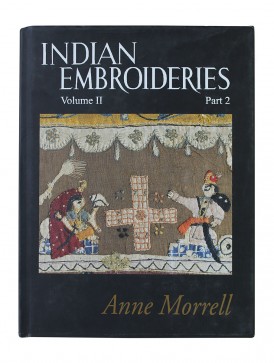
MORRELL, Anne (2013). Indian Embroideries, vol. II, pt. 2, Ahmedabad: Sarabhai Foundation, Calico Museum of Textiles. ISBN: 978-81-86980-47-7. Hardback, pp. 190, fully illustrated in colour, bibliography, index. Price: 2700 Indian rupees (about €38). The book also comes with a CD rom with extra images and explanations. Available here.  
The title of this book is a little curious, if you do not know the history of publications by the Calico Museum of Textiles. It is in fact the accompanying book to John Irwin and Margaret Hall, Indian Embroideries, Vol. II of the Historic Textiles of India at the Calico Museum series, which was published in 1973. The Irwin and Hall book is basically a historical (art, social and trade) account of what was regarded, at that time, as the most important examples of Indian embroidery in the Calico Museum. Anne Morrell’s book is a detailed technical account of these and a wide range of other relevant embroideries in the Calico Museum of Textiles collection. The subjects included in the book include a variety of regional styles of embroidery, such as  those from Saurashtra and Kutch (which is divided into hangings, appliqués, beadwork, animal decorations and torans), as well as Kutch, Punjab and Sihar forms. In addition there is a section on ‘miscellaneous’ embroidered items including game boards, bags, gun covers, temple hangings and manuscript covers. The book also includes detailed technical information (with many clear and concise illustrations) concerning the main embroidery stitches, design applications, phulkari work, mirror work and appliqué in general.

Recommendation: This book has already become a standard book for understanding and practicing various types of Indian embroidery techniques. Anyone interested in the subject of Indian textiles and embroideries in particular will find a wealth of information both visually and in the written form. Anyone who uses the Irwin and Hall book should seriously consider acquiring this book as well. It will be a source of inspiration to many.

Gillian Vogelsang-Eastwood

***

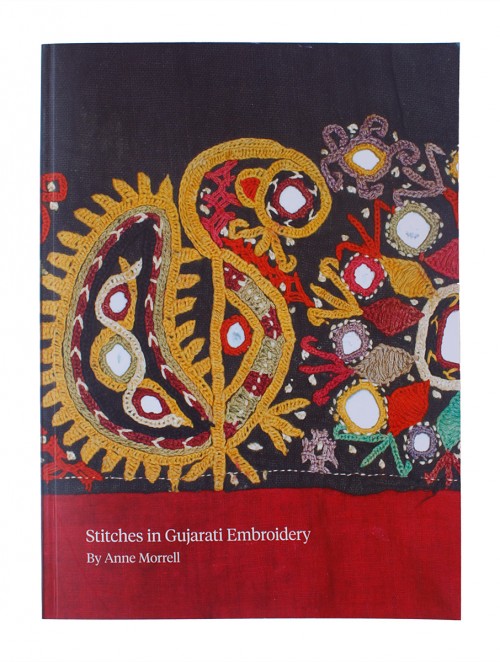
MORRELL, Anne (2015). Stitches in Gujarati Embroidery, Ahmedabad, Sarabhai Foundation, Calico Museum of Textiles. ISBN: 978-81-86980-53-8, paper back, pp. 71, fully illustrated in colour, reading list, no index. Available here.
A useful, technical book that describes and explains the main stitches used for the production of Gujarati embroidery in western India. The book looks at seventeen different stitches and techniques, that range from running stitch to Romanian style stitches. It also includes stem stitch, chain stitches, herringbone stitches, cross stitches, satin stitches (including a variety of different forms of each of these stitches), as well as couching and mirror work. Details are given of the local names for the various stitches (sometimes more than one), as well as clear illustrations and photographs of how and in which direction (which is important!) the stitches are worked. There are detailed images of the front and (in some cases) back of the stitched areas.

Recommendation: this book is based on Anne Morrell’s many years of experience both as a professional embroiderer and as a specialist in Indian embroidery (she was born in India and was taught embroidery as a young child). This book is essential for anyone working with Gujarati embroidery, Indian embroidery in general, as well as those looking for inspiration. The information is given in a very clear manner, which means beginners as well as those who are more experienced will enjoy reading and looking through the publication.

Gillian Vogelsang-Eastwood

***

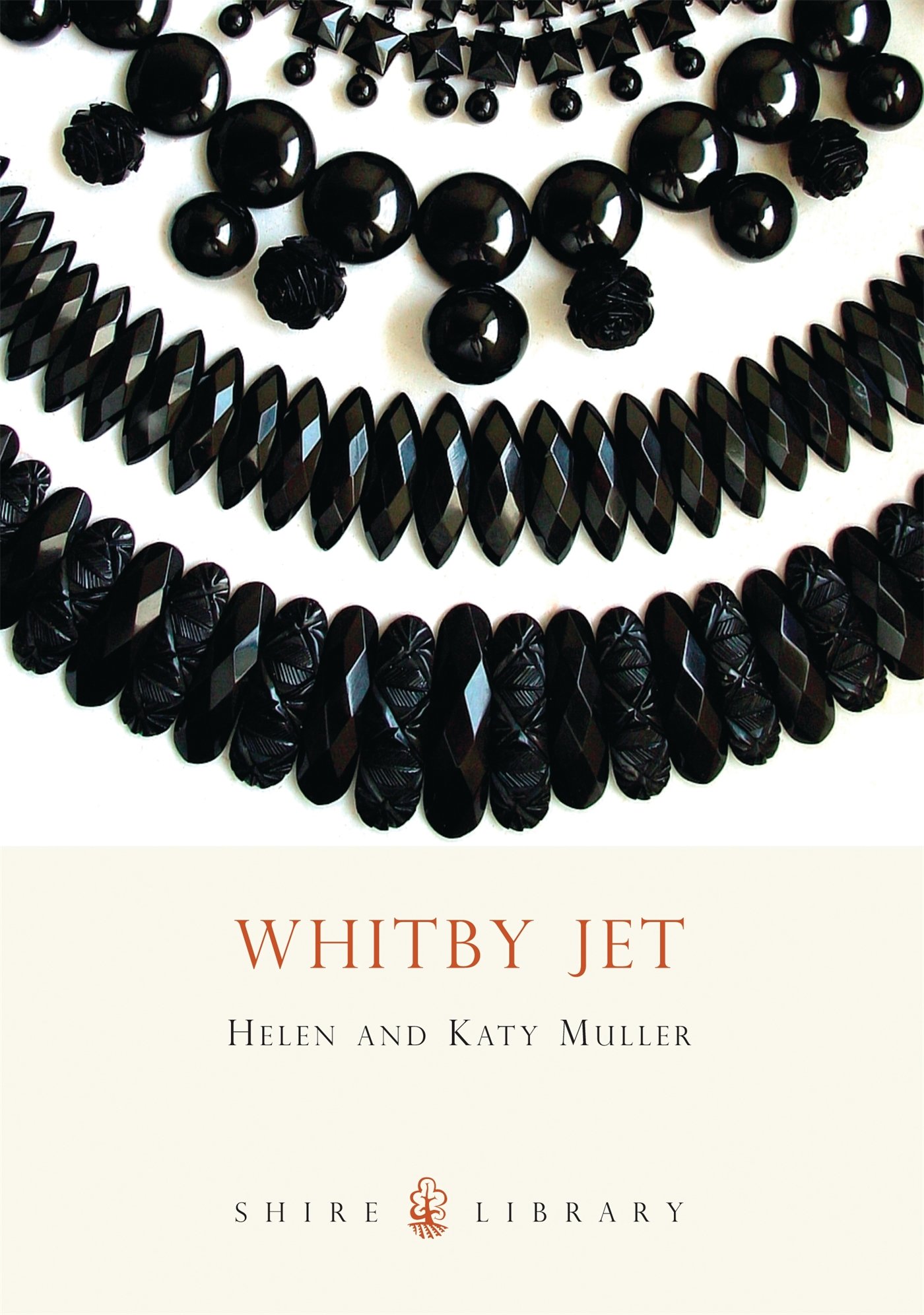
MULLER, Helen and Katy MULLER (2009). Whitby Jet, Oxford: Muller, Shire Publications. ISBN: 978-0747807315, paperback, pp. 56, fully illustrated with photographs, Price: £7.99/ US$12.95/ €9.50. Available here.  
This is a general, but comprehensive introduction to an interesting material. Jet is essentially brown coal, made from fossilized wood. It has been used since antiquity for jewellery and amulets. The Greeks and Romans sourced their jet from an area called Gagates, in what is now Turkey, hence the name in English: jet. Jet has also been used for jewellery in the British Isles since at least the Bronze Age. The Romans were pleased to discover that jet could be found both on the beaches of the Yorkshire (northern England) coast and in mines in the same area.  In the 18th century workmen were still carving beads and crosses out of jet around the Yorkshire town of Whitby. You learn all this and much more history in this book. The training of the craftsmen; influential manufacturers; the rise of the industry and its decline are outlined. Famously, jet jewellery became popular as mourning jewellery during the Victorian period in England. But jet was also popular as a material for necklaces, rings, broaches, watch chains and bracelets both before and after this time; many such designs, well-illustrated by photographs, are included in this publication. For collectors, there is a short chapter on imitation jet (e.g., French jet—also known as black glass, bakelite, bois durci and horn), and some simple tests that can be done to detect these materials.  

Recommendation: this is a book for beginning collectors and anyone interested in the social history of jet, as well as those interested in the history and use of jewellery, mourning jewellery and so forth.

Shelley Anderson

***

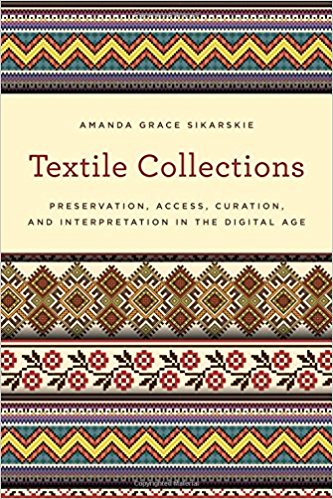
SIKARSKIE, Amanda Grace (2016). Textile Collections; Preservation, Access, Curation, and Interpretation in the Digital Age, Lanham: Rowman & Littlefield. ISBN 9781442263659. Paperback, b/w illustrations, footnotes, bibliography and index, 161 pp. US$42.

This book covers the possibilities and benefits of the digitalization of textile collections. Based on her own experience, including her work on the Quilt Index, the author explores the current and future possibilities of digitalization and the benefits to the preservation, access and interpretation of such collections. A major, and very interesting, emphasis lies on the contribution that the public using the internet can make, by creating metadata using social tagging or enriching collections by user curation. In addition, there are many asides, for example, about Ada Lovelace, the introduction of the sewing machine and the similarities between textile and computers, which are sometimes enriching, but which just as often detract from the core work.

Recommendation: Although there are many interesting ideas about digitalization, this is not a very accessible book. For the layman there is too much computer and internet terminology and a considerable amount of technical knowledge is assumed, while the book seems to have been specifically designed for collection managers who have not yet put a lot of steps in the digital field. The emphasis on programs, websites and social media used by the writer herself and her focus on quilts and the American situation make the book somewhat unbalanced. However, there are some thought provoking ideas which make it worthwhile reading for those who already have experience within the computer world.

Marieke Roozeboom

***

SMITH-SANDERS, BERTHI (2013). Merk- en Stoplappen uit het Burgerweeshuis Amsterdam, Amstelveen: Uitgeverij Tienstuks. ISBN 978-807994-0-0, softback, pp. 164, fully illustrated in colour and b/w. bibliography, index, English summary. Price: €27.50. Available here.
A fascinating story of the role needlework played in the lives of hundreds of girls who passed through the Burgerweeshuis (the Municipal Orphanage) of Amsterdam, The Netherlands. The orphanage for boys and girls (who were kept separate) was set up in about 1520 and was one of the oldest official orphanages in The Netherlands. It was closed in 1899 and taken over by another group. There are various chapters dedicated to the history and personalities involved in the setting up and running of the orphanage. The samples and samplers were made by girls of various ages as part of their education to become useful citizens when they became older (usually as servants and/or wives). The sample may consist of darning exercises that were required by a girl to master in order to repair clothing, sheets, table cloths and so forth. Some of the samplers are signed and dated, others are anonymous, but they all include designs suitable for marking garments and textiles, as well as showing reading and writing skills. Some of the patterns are repeated on various samplers, including crowns and initials, as well as the Dutch lion within a garden, indicating that there was a set of standard designs which appear to have changed over time.

Recommendation: this is a well-researched book that places the role of samples and samplers within their cultural and social context. The book emphasises the orphanage and the girls who made the samplers rather than being a series of patterns (some patterns are included). A very interesting read and hopefully one that will be eventually translated into English so that a far wider public can enjoy it.

Gillian Vogelsang-Eastwood

***

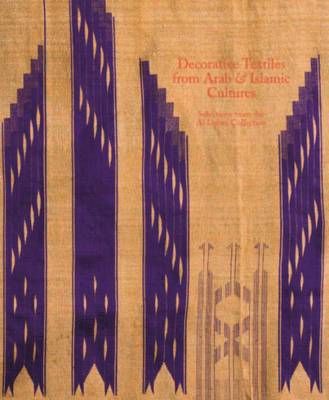
WEARDEN, JENNIFER (2016). Decorative Textiles from Arab & Islamic Cultures: Selected works from the Al Lulwa Collection, London: Paul Holberton Publishing. ISBN: 978-1-907372-87-2 (hardback edition also available), pp. 200, fully illustrated in colour with 140 colour photographs as well as b/w illustrations and line drawings as well; glossary, index, no bibliography. Price: £40. Available here.

A beautiful book with numerous colour illustrations and details of textiles and garments from the Al Lulwa (‘Pearl’) collection, which is based in Kuwait. As the title indicates the items illustrated come from throughout the Arab and Islamic worlds and include items from Morocco to Mughal India, with a liberal scattering of Ottoman Turkish items and Iranian pieces, as well as a few Indonesian items (such as no. 63). The book has an introduction by the British textile historian Jennifer Scarce (formerly of the National Museum of Scotland, Edinburgh). The contents of the book have been organised by Jennifer Wearden (formerly of the V&A Museum) on the basis of decorative appearance rather than technique (embroidery, printed, woven, etc.). So there are chapters that emphasise floral decoration, geometric patterns and finally the written word. Each section includes a wide variety of textiles and garments that have been decorated in one (or more) of these decorative forms. This makes it difficult to study, for example, woven or printed examples (or in my case embroidered forms), but it does make the reader more aware of cross-links with regard to patterns, techniques, uses and in some cases cultural and religious norms. Each item is given at least two pages, with a general view, a detail and a detailed visual and technical description of the object. The objects range in date from the medieval period (for example, no. 47 is a woven textile that dates to the Fatimid Dynasty, 12th century), to the twentieth century (such as no. 70).

Recommendation: this book can be used for dipping into and just enjoying the objects, or for more details about particular items. It suffers from the lack of a bibliography, so looking for more details is difficult. In addition some items have been given an early 20th century date (such as no. 71 from Yemen), when it is more likely to be mid- to late 20th century, but these are minor details in comparison to having such a wide range of beautiful (and at times stunning) objects displayed together. This book is a must for anyone interested in the history of Middle Eastern and South Asian textiles and garments, as well as those seriously interested in the history and development of textile technology and design in these regions. This book has presented a selection of items from the Al Lulwa Collection, which leads to the suggestion that in the future it would be possible for all of the collection to come online so it can be used and admired by a wider public?

Gillian Vogelsang-Eastwood

October and November have suddenly come and gone at the TRC, but the period included the garment and textiles collection being expanded with a group of Dutch urban garments from the 1920’s to the 1950’s. To our surprise, there were numerous 1940’s garments, including an item of British clothing with a CC41 mark (TRC 2016.2213), which dates to the Second World War (1939-194). These urban additions to the TRC Collection are reflected in some of the books showcased here.

In addition, more and more publishers are discovering the TRC and Books Showcased and are sending books on a wide variety of subjects. Which is wonderful for the TRC Library, but also for all our followers on the TRC Website and Facebook. We are actively pushing for more books to be published on textiles, dress and accessories! So please support these (and other) publishers by buying their books!

You can click upon the illustration of the book cover for information about ordering the book.

***

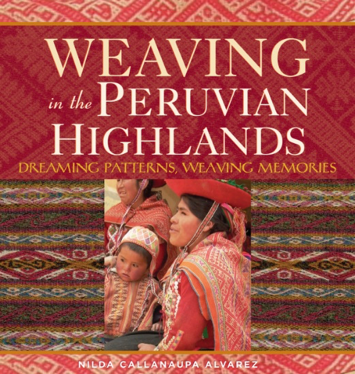
ALVAREZ, Nilda Callanaupa (2012). Tradiciones Textiles de Chinchero, Herencia Viva (Textile Traditions of Chinchero: A Living Heritage), Loveland (Colorado): Thrums. ISBN: 978-0-9838860-1-3. Spanish and English. Softback, 169 pp. glossary, bibliography. Price: US$ 34.95.

This bi-lingual book presents a wide range of information about the local traditions and techniques in the production of textiles for a wide range of uses. The techniques discussed include raw materials, spinning, dyes and dyeing, as well as weaving (back strap looms) and a more recent introduction, knitting. There is a well-illustrated section on the various main designs, their names, origins and meanings. Many of these designs, for example, are said to be based on items of daily life, such as a cow’s eye (p. 104), rope (p. 107), or a meandering river (p. 104). All of these forms as well as many others, are clearly illustrated in colour. It is worth noting that the glossary at the end of the book is in Quechua (the local language), Spanish and English.

Recommendation: As with other Thrums books this is a combination of beautiful illustrations, details and intriguing information. It is clear that the author knows and enjoys textiles and wishes to spread her love of the subject to a much wider public. The book, however, immediately springs into the Chinchero without saying where, who, what Chinchero is (see for example, p. 5). A short introduction for non-specialists, especially those living outside of the Americas, would be appreciated. For the benefit of the reader, Chinchero lies in the southern highlands of Peru in the province of Urubamba. 

Gillian Vogelsang-Eastwood

***

BROWN, Mike (2014). CC41 Utility Clothing: The Label that Transformed British Fashion, Sevenoaks: Sabrestorm. Hardback, ISBN: 978-1-78122-005-4, pp. 127, no bibliography, notes or index. Price: £19.95.

Part of a series of booklets about different aspects of twentieth century fashion and clothes. This particular volume is about clothing during and after the Second World War (1939-1945), until the end of rationing in 1952. In particular, the CC41 mark was used to indicate objects (not just clothing) that were considered to be well-made and lasting (although the latter was not always the case apparently, as there was no rubber for elastic, men’s braces were not flexible and were soon useless). The text provides considerable information about the social, political and economic reasons behind the CC41 mark, the production of Utility clothing and the use of coupons and rationing of garments for men, women and children in general. There are many illustrations of actual garments, contemporary illustrations, as well as cartoons, relating to CC41. More details about what the actual CC41 marks and numbers actually meant would have been useful in order to help identify items in various collections. However, it would appear from the text and the author that the whole CC41 system was not logical or organised in an orderly manner, so a lot more work has to be done on this subject in the future.

Recommendation: A useful book to have if you are involved in dating mid-twentieth century West European urban garments, re-enactment groups, or simply those enjoying wearing 1940’s attire. It is a fascinating visual introduction to the subject, but it does suffer from a lack of footnotes and bibliography, which makes going deeper into the subject difficult.

Gillian Vogelsang-Eastwood

***

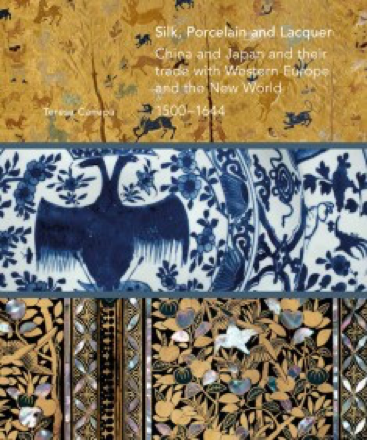
CANEPA, Teresa (2016). Silk, Porcelain and Lacquer: China and Japan and their Trade with Western Europe and the New World 1500-1644, London: Paul Holberton Publishing. ISBN: 978-1-911300-01-4. Hardback, pp. 4679, bibliography, appendices, index. Price: £70.

A glorious book, literally, which is full of beautiful illustrations of many different forms of material culture (from paintings to tea bowls) from a variety of cultural backgrounds. At first it is a bit of a surprise that the date range is ‘only’ limited to about 150 years, namely from the sixteenth to mid-seventeenth centuries. The range of details, facts, discussions, and so forth, makes it clear that there is considerable wealth of information, actual, visual and written, that needed to be taken into consideration. The book is biased towards ceramics, porcelain and lacquer work, but there is a significant section (c. 80 pages) on the Chinese silk industry and trade with Europe and the New World. More specifically, it includes the trade with the Iberian Peninsula, the Low Countries (especially the Netherland), England, as well as the Spanish colonies in the Americas. In addition, there is a sub-section on European influences on the Chinese silk industry. The information is provided in a well written manner, with plenty of details (and footnotes) from a variety of different contemporary sources. It is clearly well-researched.

Recommendation: This is one of those books that is a sheer joy to browse through as well as to read in detail. Dealing with the range of data involved is a remarkable feat in itself. Yet be warned, it is not easy to simply sit down and read this book because of its sheer weight! This book should be in the library of anyone interested in the history and (international) culture of sixteenth to seventeenth century Europe as well as those working in the field of Chinese and Japanese export wares during the same period. It is thought provoking and helps to show how trade was such an important part of life among those who could afford these and similar objects and why copies were made for those lower down the economic ladder.

Gillian Vogelsang-Eastwood

***

CHANDLER, Deborah and Teresa CORDÓN (2015). Traditional Weavers of Guatemala: Their Stories, Their Lives, Loveland: Thrums. ISBN: 978-0983886075. Softback, 140 pp., fully illustrated in colour, short bibliography and glossary. Price: US$34.95/€32.

This is a beautifully illustrated book that looks at the lives of twenty, mostly indigenous, living artisans in the western and northern highlands region of Guatemala. There are interviews with twelve weavers, three embroiderers, two spinners, one jaspe (a form of ikat) maker, a netter/looper and a basket maker. While their gender and age differ, they are all experts in their work. Each describes the essential role making textiles has in their life, a role which often combines personal and community identity, economic livelihood and creativity. The book is a reminder to those of us spoiled by cheap, mass produced textiles, just how time-consuming and vital textile production was for most of our human history. Weavers explain the changes, both good and bad, that the introduction of a new loom, such as the cinta loom for weaving ribbons, may bring about; others speak about the yearly changes, often subtle, that fashion demands even in traditional dress.

Recommendation: While the emphasis is on how people experience their lives, there is enough technical information to interest weavers, no matter what their skill level may be. The wealth of colour photographs of textiles will appeal to designers and collectors. The book will also appeal to anthropologists, readers interested in fair trade and to the general textile lover.

Shelley Anderson

***

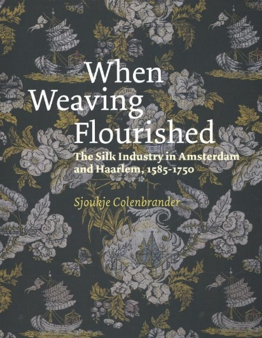
COLENBRADER, Sjoukje (2013). When Weaving Flourished: The Silk Industry in Amsterdam and Haarlem, 1585-1750, Amsterdam: Aronson Publishers and Primavera Press (Leiden), ISBN: 978-94-90782-05-4. Softback, colour and b/w illustrations, footnotes, appendices, bibliography and index. Price: €38.50.

Much has been written about the French silk industry, but there was an equally vibrant industry in the Netherlands, based around Amsterdam and Haarlem in the sixteenth to eighteenth centuries. This book by Dutch textile and costume historian, Sjoukje Colenbrander, looks at various aspects of the Dutch silk production and the important role paid by the Huguenots who had fled religious persecution in France. Many of these refugees were skilled silk weavers and they settled in Amsterdam and Haarlem. Their presence was to help found and support this important, luxury commodity in all its forms for over two hundred years. The books looks at the role of the industry in various parts of the country, the relevant laws and local restrictions, the role of the various guilds, as well as types of fabric produced in Amsterdam and Haarlem in greater detail. It also has chapters on the designers who created their own designs as well as those who copied the more fashionable French forms (especially those from the famous silk city of Lyon). In addition to these detailed discussions and descriptions, which are well illustrated with numerous contemporary documents and actual textiles and garments, there are also several appendices that discuss a range of subjects such as wages, the production of moiré in Haarlem, as well as a technical glossary.

Recommendation: This book will be of interest to anyone interested in the history of European silk textiles since the Renaissance period to the eighteenth century, as well as those working in the field of costume history (in all its many forms). It is not a dipping book, you need to take time to read and absorb the wide ranging details presented. This is a serious book for a serious textile library.

Gillian Vogelsang-Eastwood

***

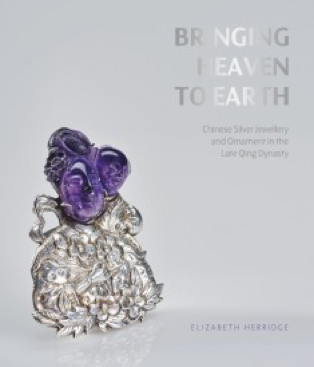
HERRIDGE, Elizabeth (2016). Bringing Heaven to Earth: Chinese Silver Jewellery and Ornament in the Late Qing Dynasty, London: Ianthe Press (in association with Paul Holberton publishing). ISBN 978-0-9955577-0-3. Paperback, fully illustrated in colour, extensive references and bibliography, pp. 200. Price: £40.00.

This is a beautifully designed book with a wealth of material. It looks with great detail at fifty pieces of Chinese silver jewellery, dating from 1850 to 1930, held in a North American private collection. Most of the pieces are either bracelets or necklaces; there are also the occasional ear clip, brooch, ring or bracelet box. Each piece is described in full detail, front and back, with several accompanying full colour photographs (including any markers’ marks or hallmarks). The author puts these details into context, for example, by writing about whether a man or woman would wear the piece, why (women might have worn dragons, with their strong yang energy, in order to balance the feminine yin energy), and on what occasion (funerals, weddings, etc.). The images or iconography portrayed are discussed (many pieces show Daoist or Buddhist symbols, such as pomegranates, flowers, dragons, Immortals, monkeys, scepters or bodhisattvas (enlightened beings)). There is also a description of how each piece was made (or repurposed, in some cases), with techniques such as carving, gilding, filigree and enameling. The materials used are as varied as the techniques: there are agate and jade bead necklaces; other necklaces of glass, lapis lazuli or amber beads (including one perhaps from Bakelite); a carved amethyst bracelet and a brooch made of gold, jadeite and a tiger shark tooth.

Recommendation: The book concludes with an interesting essay by the author on her approach in researching the collection, giving even more context for the pieces. This book can be enjoyable strictly for the beautiful photography, but also for anyone with a serious interest in Chinese jewellery.

Shelley Anderson

***

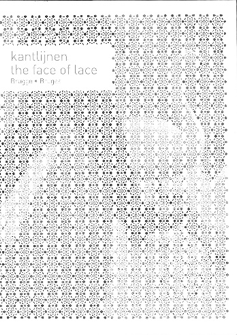
Musea Brugge (2008). Kantlijnen: The Face of Lace, Brugge: Museum Brugge. Softback, 64 pp., colour and b/w illustrations, footnotes. Price: €10.

An exhibition catalogue for a display of art lace and related objects produced by a number of artists. The exhibition was first staged at the Museum Brugge in 2008 and then went on to a number of other museums in Beligum over the next few years. The lace objects included a range of objects, from small and intricate hearts (Tjeb), to lace dogs (Marcel Wanders) and lace bedecked trees (Noëlle Cuppens). An intriguing item was a lace wheelbarrow (Cal Lane). Some items were in linen, others in plastic. There was even a leather lace scarf created using laser-cut technology. It is clear from the catalogue that there was an emphasis on non-bobbin lace techniques that could and can be used to create the effect of lace, which of course brings up the question, what is lace. It is clear from this book that the exhibition was intented on giving the word lace a very broad definition. Even the paper dust jacket of this book has been cut to imitate a sheet of lace, which gives an intriguing effect and feel to the whole book.

Recommendation: This book has proved to be a challenge. It is worth having for the illustrations and as a source of inspiration for all lace makers (whatever the technique used) involved in modern, art lace making. On the other hand it is frustrating because the text and the illustrations are not linked. There are references to artists, paintings, objects, but nothing to indicate (such as see fig. XXX), where the related items are. So it is a good book for visual inspiration, but irritating as a book about lace.

Marieke Roozeboom

***

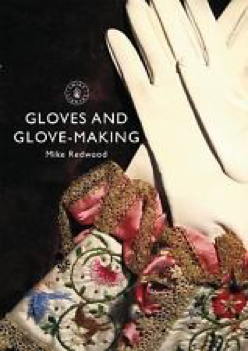
REDWOOD, Mike (2016). Gloves and Glove-Making, Oxford: Shire Publication. ISBN 9780747814535. Paperback, colour photographs, 64 pp. Price: £4.39 (online).

This is an interesting little book, which focuses on the history of glove-making in the UK. Gloves perform a wide range of functions, from sports (think baseball mitts or boxing gloves) to heavy labour. They also have a highly symbolic function, separating aristocracy from ordinary folk, and the spiritual from the mundane. They can be a statement not only of fashion, but also of respectability, as in the Victorian age, and of authority. Gloves became important in England during the reign of Elizabeth I precisely for these reasons. A report from 1566 states that Queen Elizabeth I “pulled off and put on her gloves over one hundred times so that all might enjoy her graceful movements.” Glove making provided a livelihood, not only for tanners and leather workers, but also for cutters, perfumers and embroiderers, as gloves in the sixteenth century could be decorated in gold and silver thread, tassels, jewels, and scented with a variety of costly materials.

Recommendation: While the publication’s social history is interesting, its best feature is the history of glove making itself. This book was published in association with the Worshipful Company of Glovers of London, a professional guild that gained official recognition in 1349, and the sense of pride in the craft is tangible. There is a short list of further reading and a list of places (museums, glove factories) to visit. The book is well illustrated with photographs and prints. This book would serve as a good, basic introduction to anyone interested in the history and manufacture of gloves.

Shelley Anderson

***

WALFORD, Jonathan (2008, 2011). Forties Fashion: From Siren Suits to the New Look, London: Thames & Hudson (first published in 2008, first paperback edition dates to 2011). ISBN: 978-0-500-28897-9, pp. 208, many colour and b/w illustrations, bibliography, index. Price: US$29.95

Jonathan Walford is the founding curator of the Bata Shoe Museum in Toronto and a founder of the Fashion History Museum in Canada. As such he has been deeply involved in the history of fashion, especially in the twentieth century. This book reflects is background. It contains many details and illustrations concerning mainly North American fashion in the 1940’s. Although it should be noted that there are also numerous chapters concerning rationing in Britain and the concept of utility and anti-fashion during the Second World War (1939-1945). In addition, there are chapters on women’s fashion in the Pacific region, namely in Japan, Australia, New Zealand as well as Canada. There are also chapters on fashion in Paris, during and after the war, and in Germany after the war. Walford’s range of subjects gives a more complete picture than is often given in books about 1940’s fashion, but because each chapter is relatively short (text wise), there is a nagging feeling that there should have been just a few more details. The range of images is impressive, but sometimes the close-up details seem to hide a lack of written information (see for example, p. 60, two, small rhinestone and metal brooches on a single page).

Recommendation: This is a dipping book that helps bring to life a period that was complicated by a world war. It is worthwhile having for those interested in women’s fashion during the mid-twentieth century and those looking for inspiration. The sections on the relevant Japanese and Pacific fashions presents (for a European reader) an interesting and new element. Available at: http://www.thamesandhudsonusa.com/books/forties-fashion-from-siren-suits-to-the-new-look-softcover

Gillian Vogelsang-Eastwood

***

WIKLUND, Doris (2010). Old Swedish Weavings from North to South: A Collection of Everyday Swedish Weavings from 1850-1950 (translated by Becky Ashenden), Shelburne (Massachusetts): Vävstuga Press. ISBN 0-9741505-3-3. Hardback, pp. 272, colour and b/w illustrations, many weave and threading charts, index. Price: US$ 58.00.

A series of 144 descriptions, photographs, weave and threading charts and drafts for a wide range of traditional Swedish textiles. These, and similar textiles, were used for upholstery, curtains, pillows, towels, and so forth. Most of the projects are accompanied by short stories about the people who wove or owned these textiles. The various projects are divided into: Block damask, simple block weaves (M's & O's, halvdräll, overshot and crackle), multi-shaft weaves (kuvikas, twill variations and double weave); simple household textiles (fabrics for clothing, pillowcases, towels, curtains and upholstery), shawls and ranor, art weaves (monk's belt, rosepath, krabbasnår, rölakan, slarvtjäll, noppväv, upphämta and dukagång) and rugs (with rags, weft-faced and repp).

Recommendation: A book for weavers! This book is a joy to dip into and can be used to encourage anyone of any level to try their hand at weaving. It will keep the reader/weaver occupied for many months if not years to come. A secondary (but equally valuable) use of this book is to help those with textile collections to identify the various types of Swedish textiles and/or weave forms.

Gillian Vogelsang-Eastwood

The range of books described in this selection is very varied and includes publications on both prehistoric Chinese and European textiles and textile production. There are also several books about Central and South American textiles and costume (more books on this part of the world will appear in the next “Books Showcased”). It is becoming clear that textiles and dress are being taken seriously and this is reflected in the range and depth of the academic and popular books that are being being produced. A trend that we at the TRC can only applaud!

***

ALVAREZ, Nilda Callañaupa (2007). Weaving in the Peruvian Highlands: Dreaming Patterns, Weaving Memories, Loveland: Thrums in cooperation with Centro de Textiles Tradicionales del Cusco. ISBN: 978-0983886037. Paperback, 112 pp. fully illustrated in colour, short bibliography, Price: US$ 19.95/€18.00.

This is a deceptively simple book, written by a master weaver who began by herding her family’s sheep when she was six years old. Nilda Callañaupa Alvarez is also the founder and director of the Center for Traditional Textiles of Cusco, Peru, which works to preserve and promote the textile traditions of the Peruvian Highlands. She accomplishes both of these aims in this book. She opens with a chapter on the region’s traditional clothing and how this varies from community to community and across time, in particular after the Spanish Conquest. The Spanish introduced both sheep and knitting into the region. Wool and acrylics are now the most common materials, but wool from llamas and alpacas (and to a lesser extent guanacos and vicunas) is also sheared and processed. There are sections on spinning, natural dyes and looms, on weaving techniques and most of all on designs, complete with the Quechua and English names. Every design and textile is accompanied by a colour photograph and often by a direct quote from a weaver. It is the latter which makes this book special. Many of the weavers are widows who supported their family by weaving and farming.

Textile production is a living tradition in the Cusco region, surrounded by stories and rituals, some of which are depicted in the book.

Recommendation: This book was written as a guide ‘to quality, understanding and appreciation’ for travelers to the area, but it is a book weavers and anyone interested in textiles will enjoy. Available from: http://thrumsbooks.com/book-catalog/weaving-in-the-peruvian-highlands-dreaming-patterns-weaving-memories/

Shelley Anderson

***

FRYE, Susan (2010). Pens and Needles: Women’s Textualities in Early Modern England, Philadelphia: University of Pennsylvania Press, ISBN 978-0-8122-2252-4, paperback, 302 pp., 21 colour and 31 black and white illustrations, bibliography. Price: US$ 27.50/ £18.00.
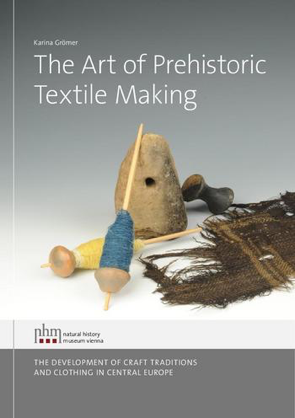
This book explores the relationship between needlework, painting and written text for women in England between 1540 and 1700. It is not a relationship that seems obvious at first glance. The author (Professor of English at the University of Wyoming in the USA) does a convincing job, however, of showing how women used needlework both as a means of creative expression and to protest the restrictions imposed upon their sex. Indeed, she argues that women’s work on both cloth and paper helped reshape the makers’ identity and gave new meaning to what it meant to be a woman. The samplers, needlework pictures, self-portraits, poetry and notes of wealthy women, such as Elizabeth I; Mary, Queen of Scots; and Bess of Hardwick are looked at intensively, as are the works of professional needle workers and miniaturists, such as Levina Teerlinc (court miniaturist to Henry VIII), Jane Segar and Esther Inglis. In the choice of subjects they depicted in their embroidery (e.g., powerful Biblical figures such as Deborah, Jael and Queen Esther, or mythological women such as the clever Penelope or the goddess Diana) and in how the figures were stitched, the makers made clear statements about how they saw themselves—and how they wished to be seen. The photographs of the samplers and other decorative needleworked objects are highlights of the book.

Recommendation: This is a book more for academics and for those interested in literature and women’s or gender studies, though anyone interested in the social history of textiles will also enjoy it. Available from: http://www.upenn.edu/pennpress/book/14728.html

Shelley Anderson

***

GRÖMER, Karina (2016). The Art of Prehistoric Textile Making: The Development of Craft Traditions and Clothing in Central Europe, Veröffentlichungen der Prähistorischen Abteilung (VPA) 5. Vienna: Natural History Museum. ISBN: 978-3-902421-94-4. Hardback, 533 pp, glossary, sources, bibliography, index. Price: 35 euros.
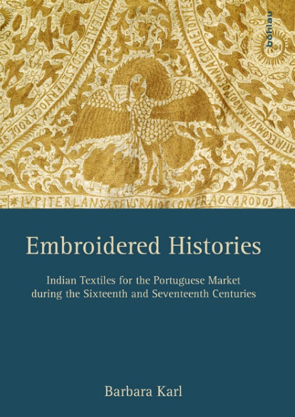
The study looks specifically at the Neolithic to Late Iron Age of Central Europe, so from about 4000 BC to 100 BC. It basically ends with the Roman occupation of Central Europe. It is a detailed study of the textiles, equipment and related items (such as depictions, statuettes, etc), which have come from excavations in Austria and neighbouring countries. This is the English (and updated) version of a book that originally came out in German (Prähistorische Textilkunst in Mitteleuropa – Geschitchte des Handwerks vor den Römern) in 2010. It is based on a research project carried out at the Natural History Museum in Vienna. The book has been updated with details concerning various scientific analysis techniques that have been developed over the last decade and how the data obtained can be applied to the study of textiles and garments.

The book is divided into seven sections, namely, (A) Introduction, (B) Craft techniques, (C) Textile craft in prehistory, (D) From clothes to household textiles, (E) Clothing in Central European prehistory, (F) Summary and (G) Appendices. The subjects covered include the way in which textiles have been preserved (metal corrosion products, waterlogged, ice, oak coffins, imprints, etc). The raw materials used, preparation techniques, spinning, weaving, designs, finishing, as well as sewing and tailoring techniques. There is a section on the production of textiles in society and the uses, not just in the form of garments, but also soft furnishings, funerary uses, even recycling. There are even details about, for example, the damage caused (size of hole) made in various types of cloth produced by a thick pin shaft (fig. 207).

Recommendation: This is going to be a standard book on the subject of the early production of textiles and their uses in Europe (not just Central Europe) and Scandinavia. It should be in any serious library about the early history of textiles, it will also appeal to re-enactment groups, as the range of detail and information is extraordinary. One word of warning, it is noticeable that the publishers have opted for a large font and wide margins, perhaps to accommodate the number of margin images, but it has resulted in a heavy book (literally). Well worth reading and dipping into. Available from: This email address is being protected from spambots. You need JavaScript enabled to view it.

Gillian Vogelsang-Eastwood

***

KARL, Barbara (2016). Embroidered Histories: Indian Textiles for the Portuguese Market during the Sixteenth and Seventeenth Centuries, Wien, Köln, Wimar: Böhlau Verlag. ISBN 978-3-205-20209-7. Hardback, 316 pp., some colour photographs, but mostly b/w images and line drawings, bibliography, index. Price: 60 euros.

This book is based on a PhD thesis written between 2001 and 2004 at the University of Vienna about the history and use of colchis (colja, colxa). This is a form of embroidered textile that was produced in western India (Bengal and Gujarat) initially for the Portuguese market and later for other European countries. Colchis are between 3 m x 2.5 m in size and may be of several layers stitched together, generally with a small running stitch in order to produce very elaborate  figurative and geometric designs. They are the forerunners of the kantha textiles that are still produced in western India.

Most of the colchis were produced during the sixteenth and seventeenth centuries. A number of examples have survived and are in various museums, although not surprisingly most are now in Portuguese museums. This is a fascinating study of a group of textiles that represent world trade in a microcosm at an important moment in history of the world. The study looks at a wide range of social and economic aspects using contemporary documents and actual artifacts. In addition, the author discusses art historical considerations, such as Indian interpretations of Biblical and Portuguese motifs. The author has presented a detailed analysis of the monochrome and polychrome forms in order to give details concerning where they were made and the trade implications. There is also a detailed catalogue of the colchis that she has seen and studied in various museums. The downside of her book are the poor drawings, which are in fact sketches of the various textiles that occur in the catalogue, but visually they bring the book down.

Recommendation: this book should be in any library dedicated to Indian studies, European trade, textile history in general and embroidery history in particular. Well worth reading. Available from: http://www.boehlau-verlag.com/978-3-205-20209-7.html

Gillian Vogelsang-Eastwood

***

KAY-WILLIAMS, Susan (2013). The Story of Colour in Textiles: Imperial Purple to Denim Blue, London: Bloomsbury. ISBN 978-1-4081-3450-4, soft back, 176 pp., illustrated with numerous colour photographs, extensive bibliography, index. Price: £19.79.
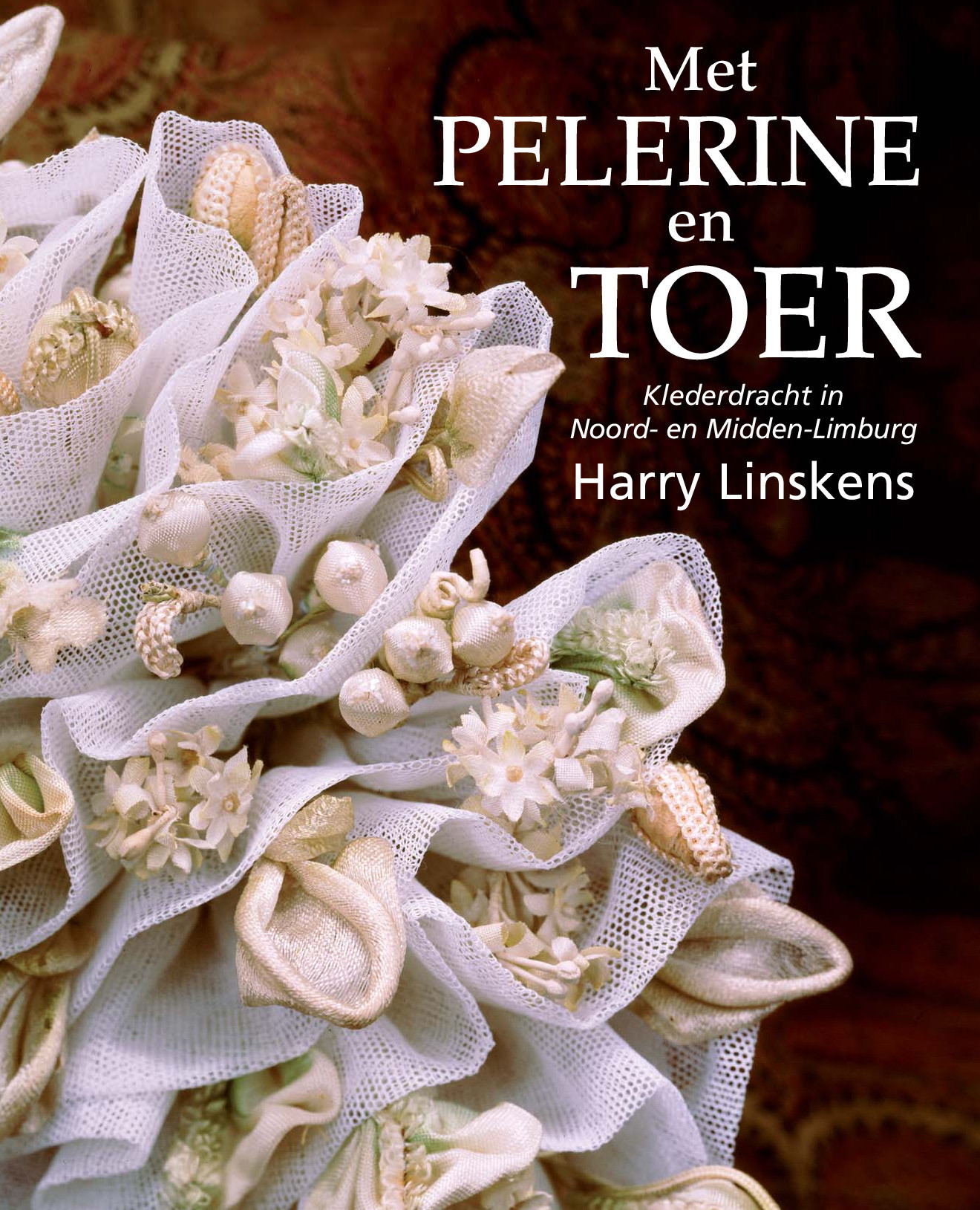
A general history of the production and use of colour to decorate textiles. The chapters include the early history of dyes and dyeing using archaeological evidence from countries such as Egypt. There are also chapters on the production and use of colour in the Middle East and elsewhere (including China) up to the medieval period. The emphasis then changes to the burgeoning dyeing industries of medieval Europe and that of France and England in particular. The later chapters in the book emphasise industrial developments in the eighteenth and nineteenth centuries. The information is provided in a clear and concise manner, and unlike, some earlier Berg/Bloomsbury books there are sufficient colour illustrations (essential for a book about the role of dyes and colour).

Recommendation: A useful book to show that medieval and earlier people did not walk around in brown and green (Robin Hood colours), but enjoyed a wide range of colours that could be produced again and again. This book will be of help to students entering the intriguing world of decorative textiles, as well as those who want to understand the history of textiles in general, and the early development (pre-modern industrialisation) dye industry in particular. Well worth dipping into. The extensive bibliography is useful for those wanting to go even further into the subject. Available from: http://www.bloomsbury.com/uk/the-story-of-colour-in-textiles-9781408134504/

Gillian Vogelsang-Eastwood

***

LINSKENS, Harry (2014). Met Pelerine en Toer: Klederdracht in Noord- en Midden-Limburg, Horst: Museum de Kantfabriek. ISBN: 9789490276003, hardback, 208 pp., fully illustrated in colour and b/w, bibliography. Price: €19.75.

A beautifully illustrated book looking at the range and history of men and women’s regional dress in the Limburg region of The Netherlands. The book includes general information which is presented in a logical manner that makes it easy to find information about specific garments. In addition, there are several chapters on the different types of lace caps associated with the region, including the various forms of under caps, lace caps and the impressive poffers (type of headdress)There then follows information about how to make and wash the caps, details on how to identify the types of lace (bobbin and net forms) used for the lace caps, as well as chapters on jewellery, mourning garments and children’s clothes. The appendices include various interviews with people, as well as a section on local sayings that refer to the garments.

Recommendation: A really useful book for understanding the history and types of men and women’s garments and headwear from the Limburg region. It is especially strong with respect to the many types of lace caps and headgear (notably the poffer) worn by women from this part of The Netherlands. Well worth reading and including it in a library dedicated to European regional dress and Dutch klederdracht in particular. Available from: http://www.museumdekantfabriek.nl/documentatiecentrum/met-pelerine-en-toer/

Gillian Vogelsang-Eastwood

***

MORRIS JR, Walter F. and Caro KARASIK (2015). Maya Threads: A Woven History of Chiapas, Loveland (Colorado): Thrums. Library of Congress number: 2014952088. Soft back, 214 pp., fully illustrated in colour, index, bibliography. Price: US$ 23.
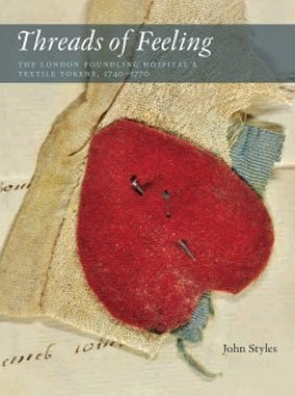
An intriguing study about the textiles and garments associated with the Maya in Chiapas, Mexico. In particular attention is paid to the association of textile production and use with Maya cosmological beliefs, Catholic influence upon garments and designs, the role of festivals, the use and adaptation of modern materials for traditional garment forms and especially in how the use of textiles and garments plays an important role in everyday life. The authors stress how textiles and garments form a living and vibrant tradition, which is growing in popularity as a public and personal symbol of Maya culture and identity for men, women and children. Throughout the book the authors refer to the use of different forms of weaving and embroidery (hand and machine) techniques. They emphasise that colour plays an important role in the choice and use of textiles, especially for clothing. The book is filled with numerous beautiful illustrations that help to explain what is happening and the reasons behind many of the changes. Between pages 184-185 for example, there are a series of dated tops (huipil) that show the difference between the appearance of a huipil from 1975 to 2011, with an explanation of what these changes are and how they occurred.

Recommendation: This book presumes previous knowledge, such as where Chiapas is, who are the Maya, and so forth. An introduction to the subject for non-specialists living outside of the Americas would have been useful. The titles of the chapters are also in-house references, which has its charm, but is also irritating to the outsider. But these are ‘minor details’ as the book provides a wealth of detail about the range of textiles produced, decorated and worn by the Maya community in Chiapas. It will be of great help and interest to anyone working in the field of Central American textiles and clothing, as well as those looking for inspiration for their own work. Well worth having! It was the winner of the 2016 Benjamin Franklin Gold Award for excellence in editorial content, design and photography. Available from: http://thrumsbooks.com/book-catalog/maya-threads-a-woven-history-of-chiapas/

Gillian Vogelsang-Eastwood

***

STYLES, John (2010). Threads of Feeling: The London Foundling Hospital’s Textile Tokens, 1740-1770. London: The Foundling Museum. ISBN: 9780955180859, softback, 72 pp., fully illustrated in b/w and colour photographs, bibliography. Price: £12.
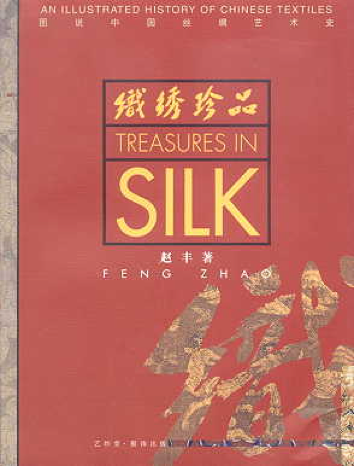
A booklet about a sad, yet intriguing subject, namely the textile tokens left with babies and young children when the infant was left at the Foundling Hospital in London during the 18th century. The aim of the tokens was to act as a means of identification should the babies be claimed by parent(s) at a later date. There are various examples of these and other forms of tokens (often metal and wooden forms) on display in the Foundling Museum, but this booklet concentrates on the woven, embroidered and printed textiles associated with the children. In some cases these tokens are still attached to the original notes that give details concerning when the child entered the orphanage. These tokens also have a secondary function for modern textile historians, as they provide samples and information about the range of textiles made and worn by the poor in mid-18th century London. And these are very different from the range of textiles often presented by museums and books concerning ‘typical’ eighteenth century pieces, namely, the silk textiles (which are wonderful items in themselves), bought and used by a relatively, very small group of people.

Recommendation: A booklet that stirs the emotions and presents a very different social and economic history of textiles in eighteenth century Britain. Well worth reading.

Gillian Vogelsang-Eastwood

***

ZHAO, Feng (1999). Treasures in Silk: An Illustrated History of Chinese Textiles, Hong Kong: ISAT/Costume Squad Ltd. ISBN: 962-85691-1-2. Soft back, Chinese-English, 359 pp., fully illustrated in colour, glossary, bibliography. Price: c. HK$ 480.

A beautifully illustrated book that tells the story of Chinese silk textiles, from prehistory to the 19th century, but with an emphasis on items from about the 12th century onwards. It also has chapters on patterns and designs, auspicious subjects, rank and status as well as various religious subjects. There are detailed illustrations and texts concerning the various techniques used to make and decorate the textiles, including a wide range of weaves, looping forms, as well as embroidery. In addition, the author presents numerous examples of finished products such as garments, footwear, headgear, temple banners, and so forth. Many of these items are now in both public and private collections in China and elsewhere. There is also a chapter about Western influences on Chinese textiles, and by Western the author means Greek, Roman, as well as Sassanian (Iranian) influences. Commodities and knowledge associated with the so-called Silk Road went in both directions, and this book illustrates this point very clearly.

Recommendation: If it is still possible to obtain this book, then please do! It is a joy to hold and the detailed and suburb illustrations make it a great pleasure to either dip into this book or to find out further details about specific forms of early Chinese silk production. It is an essential item for any serious library concerned with the early history of silk production and use, Chinese textiles, the trade and economy of the Silk Road, and a lover of textiles in general.

Gillian Vogelsang-Eastwood

***

ZHAO, Feng (2004). Liao Textiles and Costumes, Hong Kong: Muwen Tang Fine Arts Publication, Ltd. ISBN: 988-97206-0-4. Chinese and English. Hardback, 269 pp., fully illustrated in colour, bibliography. Price: HK$ 850. This study is based on various archaeological textiles that date from the Liao dynasty (907-125 AD) period. Many of the pieces illustrated come from excavations in the Autonomous Region of Inner Mongolia, notably in the Ying country, Shanxi Province. The book illustrates and describes various forms of Liao dynasty textiles, their associated techniques and uses. The study has been divided into three main sections. The first is a technical section that looks at weave techniques, namely samit, damask, twill, tapestry and gauze weaves, followed by chapters on dyeing and printing techniques and embroidery. There is a separate chapter on designs in general. The second section is dedicated to Liao period costume, with a description of upper body coverings, trousers and skirts, headdress, footwear, hand wear and other accessories. The third and final section deals with the historical position of Liao textiles and costume. The whole book is beautifully illustrated with painting details, line drawings (patterns for designs and garments), as well as statuettes, and so forth. But its main strength are the detailed and precise illustrations of the textiles and garments themselves.

Recommendation: This book should be in any library that is concerned with the early history of silk production and use, Chinese textiles, Chinese costume and so forth. It will also be of great use to reenactment and theatre groups wanting to recreate the garments of the Liao period. This book can also be recommended to anyone who loves textiles and wants to be inspired by a series of amazing items.

Gillian Vogelsang-Eastwood

Page 2 of 3

Search in the TRC website

Contact

Boerhaavelaan 6
2334 EN Leiden.
Tel. +31 (0)6 28830428  
office@trcleiden.org 

facebook 2015 logo detail 

instagram vernieuwt uiterlijk en logo


Bank account number

NL39 INGB 0002 9823 59, in the name of the Stichting Textile Research Centre.

TRC closed until 4 May 2026

The TRC is closed to the public until Monday, 4 May 2026, due to our move to the Boerhaavelaan. The TRC remains in contact via the web, telephone and email. For direct contact and personal visits, please contact the TRC at office@trcleiden.org, or by mobile, 06-28830428.

Donations

The TRC is dependent on project support and individual donations. All of our work is being carried out by volunteers. To support the TRC activities, we therefore welcome your financial assistance: donations can be transferred to bank account number (IBAN) NL39 INGB 000 298 2359, in the name of the Stichting Textile Research Centre. BIC code is: INGBNL2A.

 You can also, very simply, if you have an iDEAL app, use the iDEAL button and fill in the amount of support you want to donate: 


Since the TRC is officially recognised as a non-profit making cultural institution (ANBI), donations are tax deductible for 125% for individuals, and 150% for commercial companies. For more information, click here